
 A new bunker adjustment factor indexing mechanism is now available for shippers’ reference and guideline, announced Drewry.
The maritime research and consulting service provider and the European Shippers’ Council (ESC) have defined and published a simplified BAF indexing mechanism and bunker charge guide to help shippers monitor and control bunker charges. This comes as shipping lines switch to the more expensive bunkers required under the International Maritime Organization’s (IMO) 2020 low-sulfur regulation.
The mechanism is the result of the work of the ESC-Drewry IMO toolkit reference group which was tasked to gather views and best practices on IMO 2020 low sulfur fuel-related topics.
With the indexing mechanism, the process of adjusting BAFs is streamlined by identifying common standards and definitions on bunker price measurement periods, BAF adjustment periods, fuel reference prices and transparent indexing formulae.
The mechanism includes neither joint “BAF prices” nor joint “baseline BAF charges”—the latter need to be agreed commercially between parties before the start of the shipping contract; it includes only an indexing mechanism.
Step 1 of the process is that the shipper and the provider agree on the “baseline” initial bunker charges and the link to the baseline external fuel price (at the start of the contract).
Step 2 of the process is that, during the period of the contract, revised bunker charges are calculated based on the previous quarter’s average price for the external fuel reference, and apply contractually to the following quarter (with no need for negotiation).
BAF charges are updated once a quarter with a lag time of one month to allow parties to update their respective invoicing and purchasing systems.
Consideration is given to an additional “interim” BAF adjustment to address the risk of huge volatility in the early prices of the new fuel.
The indexing mechanism tracks and applies the change seen in any relevant bunker price index—global, basket of regional or regional – as compiled and published by any neutral third party including Drewry.
“We believe that the ESC-Drewry IMO 2020 toolkit and its indexing mechanism will help improve transparency and fairness in how extra fuel costs incurred by shipping lines and forwarders due to the new regulation are passed on to exporters and importers,” said Philip Damas, head of Drewry Supply Chain Advisors.
“Independently of this initiative, Drewry has also developed an IMO cost impact calculator for shippers who are reviewing their BAFs, which quantifies bunker consumption per trade lane and per container for their main carriers,” added Damas.
“By giving to shippers the possibility to better analyze present and future types of fuel costs this toolkit is representing a significant step towards a more transparent framework for the best interests of all parties,” said Jordi Espín, maritime policy manager at ESC.
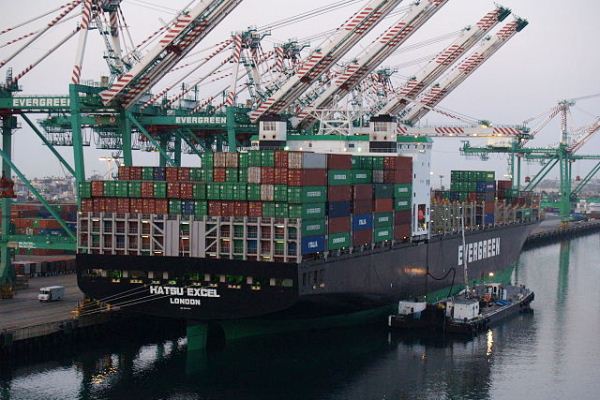
Photo By pete – Hatsu Excel