 The number of “smart” containers in the global fleet will triple in the five years to 2023 in the wake of growing calls for increased transparency and security across transport value chains, says Drewry in a new report.
Smart containers have increased in prominence in a very short space of time and the pace of adoption is expected to accelerate over the next five years, according to Drewry’s latest Container Census & Leasing Annual Review & Forecast 2019/20 report.
A container becomes “smart” when fitted with a telematics device that provides real-time tracking and monitoring, enabling operators to increase turn time of their container equipment and so utilization. Smart containers also allow beneficial cargo owners (BCOs) to understand the location and status of their cargo so that they can better control their supply chains.
Telematics is a term that combines the words telecommunications and informatics to broadly describe the integrated use of communications and information technology to transmit, store and receive information from telecommunications devices to remote objects over a network.
“There are a number of factors driving this market growth, including growing calls for greater transparency and security across transport value chains,” said Drewry’s director of research products Martin Dixon. “Meanwhile, in shipping there is a demand to know the location of the container and above all the status of that container and the condition of the cargo inside it.”
Drewry estimates that by the end of 2018, around 2.5% of the global container equipment fleet was fitted with smart technology devices. However, take-up varies considerably by equipment type, with penetration already strong in intermodal and reefer containers but much lower in the dry box sector.
Drewry forecasts that the number of smart containers in the global fleet will triple in the five years to 2023 to reach over 2 million units, representing around 6.5% of worldwide box inventories. As technological innovation lowers the cost of devices and enhances their value to BCOs, uptake is expected to accelerate.
Some equipment manufacturers and leasing companies already have plans to supply equipment ready-fitted with devices, and such practices are expected to become widespread among other industry players. Uptake among the latter is significant as the rental sector continues to take a lead in container equipment investment and ownership, now controlling comfortably more than half the fleet and expected to extend their share to over 55% by 2023.
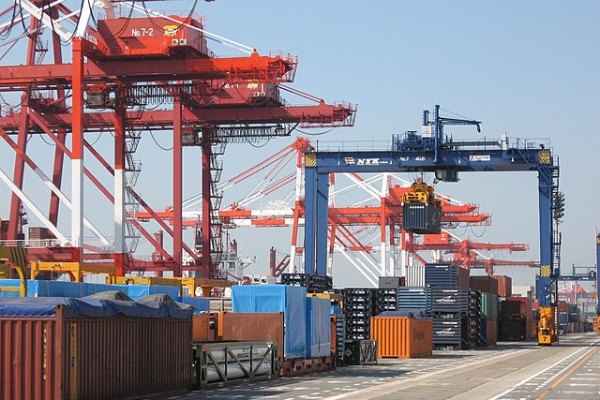
Photo: Gazouya-japan