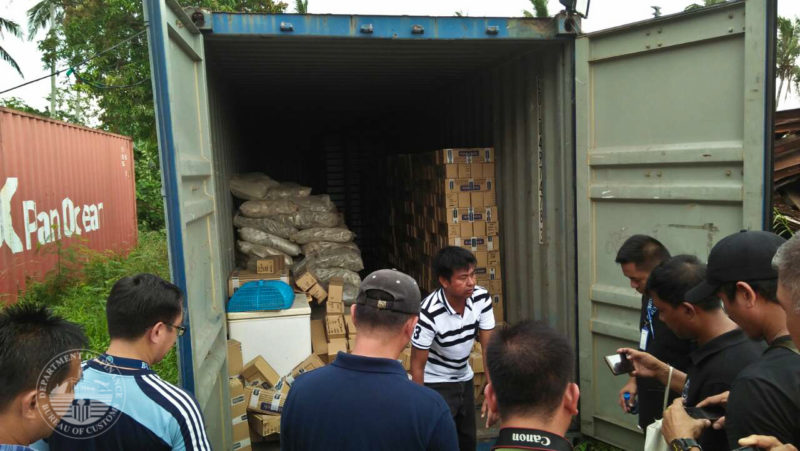
NAIA, San Fernando, Aparri set on Feb 23
BEGINNING February 16, the Bureau of Customs (BOC) will enforce the electronic-to-mobile/import assessment system (e2m/IAS) on the country’s top two freeports, Subic Bay and Clark.
The system also enters into force at the Ninoy Aquino International Airport and the ports of San Fernando and Aparri on February 23.
The implementation schedule is contained in a memo signed by Customs Commissioner Napoleon Morales on February 1, 2010 (click here for copy).
Under the e2m/IAS of Clark and Subic, all formal entries will be filed through the e2m system while transshipment entries will continue to be filed under the old Automated Customs Operating System.
The BOC has advised Subic and Clark locators applying for the Client Profile Registration System (CPRS) to file directly with the Subic Bay Metropolitan Authority and the Clark Development Corp instead of with the BOC Customs Accreditation Secretariat.
All other documents such as the Customs Client Number will be issued by the BOC.
The e2m/IAS is designed to harmonize, rationalize, and streamline imports and exports processing and improve trade facilitation between the BOC and its stakeholders, including other government agencies through the development and integration of various systems that will allow an extensive use of e-Commerce solutions towards a non face-to-face transaction procedures.
Scope of e2m
The implementation of IAS covers import entry lodgment through value-added service providers; the CPRS; Electronic Manifest System; clearance of Formal Entry System (Consumption and Warehousing); use of Payment Abstract Secure System v. 5.0 (PASS-5); application of non-cash payments consisting of Tax Exemption Certificates, Import Entry Declaration, Tax Debit Memos, Import Entry Declaration/Advanced Payment and Deferred Payment of Government Accounts through the e2m Payment System; On-Line Release System; and License and Clearance System involving government agencies that are ready to upload their licenses, clearances and other authorizations to the e2m Customs.
To transact under e2m, importers/ brokers must have valid and active CCNs from the CPRS, bank account/s information and bank reference numbers of their authorized agent banks for electronic payment of customs duties and taxes (no cash, no checks), appropriate licenses/clearance/permits from concerned issuing agencies for their importation, applicable non-cash payment instruments and supporting documents in hard copies.