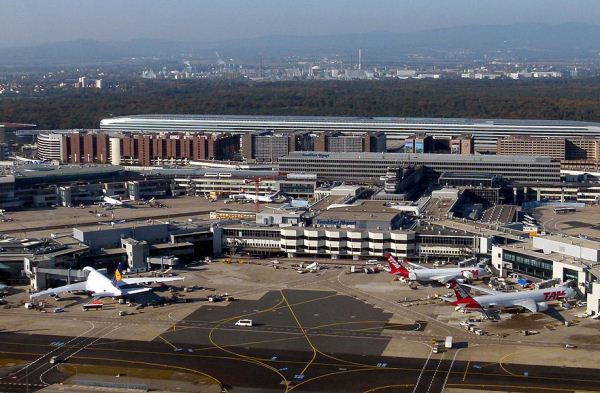

 Global air passenger traffic is expected to continue its strong growth trajectory over the next several years while expansion in air cargo volumes will quicken in the short term before slowing down in the medium term, according to the latest traffic forecast from Airports Council International (ACI).
The World Airport Traffic Forecasts 2017-2040 foresees global traffic, which reached the 7.7 billion passenger mark in 2016, doubling by 2031 based on a projected growth rate of 4.9% yearly.
“Progress in the liberalization of trans-border air transport, enhanced aircraft efficiency over medium- and long-haul operations and the persistent rise in per capita income will fuel the propensity to travel,” said Angela Gittens, director general of ACI World.
This is especially true in highly populous regions, like Asia-Pacific, where passenger traffic expansion is projected to represent almost 53% of global growth in the next two years, she added.
By 2040, China is predicted to become the largest passenger market, and India is to climb from fifth in 2016 to third rank. A number of other emerging economies are projected to rise in the rankings including Indonesia, the United Arab Emirates, and Vietnam. By 2040, emerging economies will account for over 60% of all passenger traffic.
With steady growth in number seen for domestic passengers worldwide, gains will come primarily from international traffic, with a two-year compound annual growth rate or CAGR of 8.4%, said the report. International passenger traffic is expected to reach 73% of the size of domestic traffic by 2018, representing more than 52% of total passenger traffic growth over the two-year period.
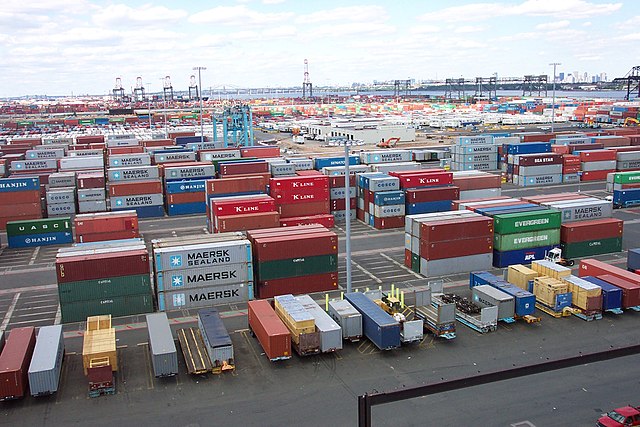
With respect to cargo, Gittens noted that “a strengthening of global trade and industrial production as well as the recently weakened state of the ocean shipping industry has been a major contributing factor to the growth in air cargo volumes.”
However, she expects that this substitution across modes of transport is likely to be temporary once the maritime sector stabilizes. “Thus, global air cargo volumes are expected to increase rapidly in the short-term but more slowly in the medium-term, with an overall growth rate in the realm of 3.5% on annualized basis up to 2026.”
But ACI sees several impediments that could curtail the continued rise in air transport demand, potentially hampering growth prospects over the short and medium term. Specifically, these are related to geopolitical unrest, terrorism and threats to security in certain parts of the world.
Physical capacity considerations and potential bottlenecks in air transport infrastructure also pose challenges in accommodating future demand.
Finally, protectionist policies that retreat from further economic integration and air transport liberalization could have an adverse effect on the air transport industry.
ACI is the trade association of the world’s airports. As of January 2017, it serves 623 members operating 1,940 airports in 176 countries.
Photo: Brücke-Osteuropa