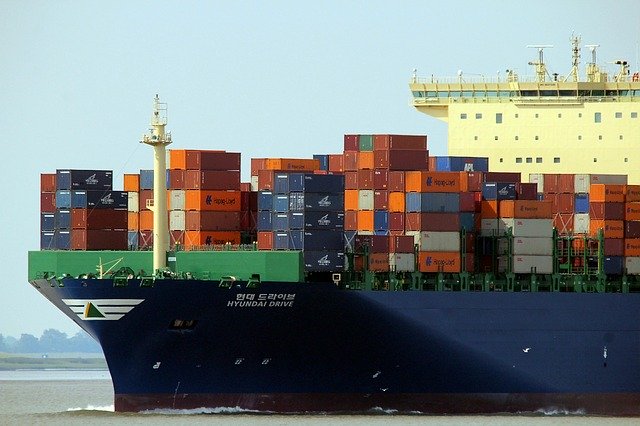
THE country's food processors and exporters face tougher food safety rules this year with the European Union's (EU) plan to require the registration of the chemical content of their products before these are allowed entry in the EU market.
The new policy is seen to have an effect on coconut-based exports like fatty acids, fatty alcohol and gylcerine, including other agricultural commodities.
The new regulatory framework for chemicals, REACH (Registration, Evaluation and Authorization of Chemicals), seeks to overhaul the EUís chemical substances policy.
Under the proposed new system, enterprises that manufacture or import more than a ton of a chemical substance annually will be required to register it in a central database.
The cost of its implementation will be $6.5 billion in the next 15 years, but that $60 billion will be saved on chemical-related health costs, the European Commission said, adding business costs will be offset by profits from new, safer alternative substances.