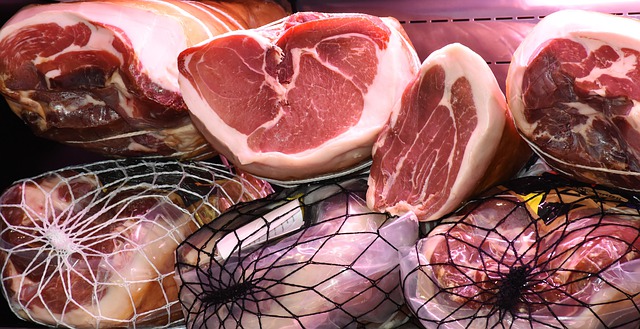


The Food and Drug Administration (FDA) is temporarily banning the importation, distribution, and sale of all processed pork meat products from Hong Kong, North Korea, Laos, and Germany on suspicion the goods are affected with the African Swine Fever (ASF) virus.
“In the interest of consistency and coherent efforts in preventing the entry of the African Swine Fever Virus, the Food and Drug Administration (FDA) hereby expands the temporary ban on the importation, distribution and sale of ALL processed pork meat products from the following countries following Department of Agriculture Memorandum Order No. 12, 13, 15, and 18 Series of 2019,” FDA Advisory No. 2019-229, issued July 30, said.
FDA earlier issued FDA Order 2018-133 dated September 24, 2018 and FDA Order No. 2019-045 dated May 27, 2019 on the temporary ban of pork meat from countries affected by the ASF virus. These countries include China, Hungary, Latvia, Poland, Romania, Russia, Ukraine, Vietnam, Zambia, South Africa, Czech Republic, Bulgaria, Cambodia, Mongolia, Moldova, and Belgium.
The authority advises the public to exercise extreme caution in purchasing and consuming processed pork meat products, and to consume only processed pork meat products that are registered with the FDA and are sourced from countries not among those identified as suspected to be affected by ASF virus.
The authority also reiterated that it does not allow the registration of processed pork meat products coming from ASF virus-affected countries.
To protect public health and safety, FDA added that a heightened post-marketing surveillance and audit is being conducted on all concerned and covered establishments to ensure full compliance with these orders. It said violators will be held liable under Republic Act 9711 (Food and Drug Administration Act of 2009), Republic Act 10611 (Food Safety Act of 2013), and other pertinent laws, rules, and regulations.
About 95% of the pork supply in the Philippines is locally sourced, and while the virus does not pose any health risks to humans, there is no known vaccine to prevent the virus from spreading and destroying the local livestock production.
According to the Bureau of Animal Industry, an outbreak of the virus could affect more than 40 million live hogs/pigs in the Philippines and destroy the country’s P2-billion swine industry. The Bureau of Customs, for its part, has been taking strict measures together with other partner agencies to prevent the entry of diseases and illegal products.