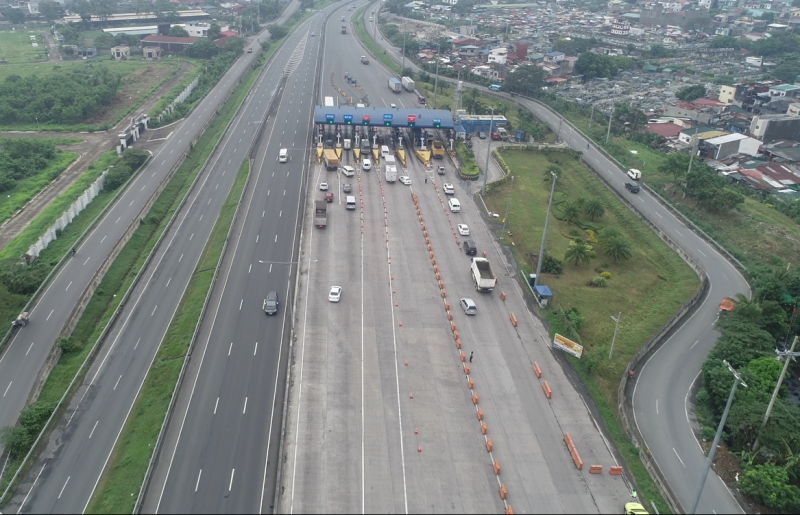
Trade-related freight transport is expected to grow by a factor of 4.3 between 2010 and 2050, but addressing climate change requires that it become more energy efficient, an official of the United Nations Conference on Trade and Development (UNCTAD) said, outlining a series of solutions ahead of an UNCTAD meeting at COP 22 on freight efficiency.
Freight transport – which includes road, rail, sea and air transport – accounts for roughly 7% of global greenhouse gas emissions (GHG), and emissions from trade-related are expected to increase by a factor of 3.9 between 2010 and 2050, Frida Youssef, head of UNCTAD’s transport section, said.
“Freight transport is central to the goal of expanding trade and creating jobs, but we need to get emissions down,” she said.
“Developing countries which are investing in infrastructure may have an opportunity get their transport infrastructure right,” she said.
Solutions to make freight transport more energy efficient include better use of technology and innovation, use of cleaner fuels and more efficient transport, regulations, and other measures too.
Several developing countries have begun to boost the efficiency of their freight transport. The 2012 China Green Freight Initiative aims to improve fuel efficiency, reduce CO2, and air pollutant emissions, by adopting cleaner technologies and smarter freight management practices.
Indonesia has introduced comprehensive policies to promote sustainable freight transport systems by improving fuel efficiency and reducing the transport burden on roads, which currently account for about 70% of freight ton-kilometres.
Approaches in other countries, such as India, included dedicated freight corridors to shift freight traffic from roads to rail. Africa’s Northern Corridor links landlocked Uganda, Rwanda, Eastern Democratic Republic of the Congo, South Sudan and Burundi with Kenya’s maritime port of Mombasa, helping to boost trade while boosting the efficiency of freight transport. Since the route was re-established, freight costs have dropped from Mombasa to Nairobi by 56% and from Mombasa to Goma by 38%.
Industry is also pushing for low-carbon and sustainable freight transport with initiatives such as the Clean Cargo Working Group and the Sustainable Shipping Initiative.
UNCTAD assists developing countries to make informed policy choices, addressing the emerging environmental and social challenges in relation to transport, and to provide the associated capacity-building needs. – article from UNCTAD
Image courtesy of khunaspix at FreeDigitalPhotos.net