 The International Civil Aviation Organization (ICAO) said air traffic volumes in Southeast Asia are expected to more than triple 15 years from now, opening up tremendous opportunities but also posing serious challenges and issues relating to aviation safety.
ICAO Secretary General Dr. Fang Liu said the organization fully supports the increased liberalization of air and freight services globally, given the clear and very positive impacts it helps to achieve in operator profitability, network expansion, and increased tourism, trade and investment.
Current projections point to air traffic volumes among Association of Southeast Asian Nations (ASEAN) states tripling to more than 20,000 flights per day by the year 2033.
“These figures, while very positive, also point to some serious challenges for South East Asian governments,” Liu noted. “Many are already challenged to varying extents in terms of their aviation safety and security oversight operations.”
Moreover, Asian states will also be confronted by a sectoral environment which continues to evolve at a very rapid pace in terms of technologies, operations, and business models, she added.
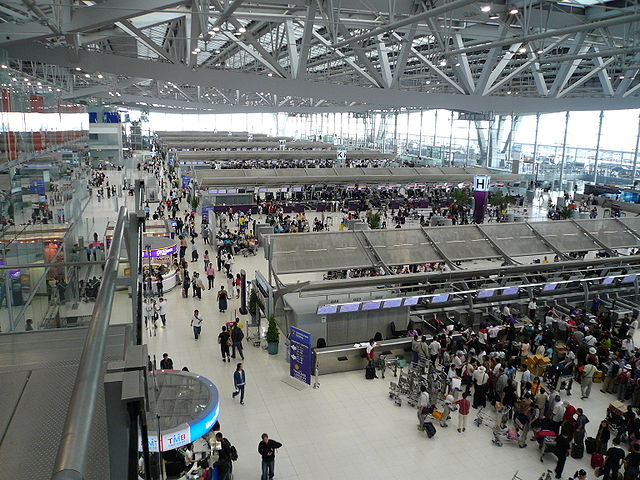
Liu’s remarks were delivered to participants at the ICAO-EASA (European Aviation Safety Agency) Forum on Civil Aviation in Southeast Asia held in Bangkok, Thailand last month.
Air traffic growth among ASEAN states is expected to be fueled by progressive liberalization initiatives and the continuing trend toward greater regional economic integration, Liu said.
“Continued growth points to some tremendous opportunities for aviation and economic stakeholders around the world, but it also poses a unique challenge in terms of assuring that network expansion and traffic increases do not pose any costs in terms of overall sectoral safety performance,” Liu explained.
In addition to a series of calls to action regarding safety oversight performance levels in the Asia-Pacific region and, more specifically, in support of the targets established under the Beijing Declaration which were agreed upon by the Asia/Pacific Ministerial Conference on Civil Aviation earlier this year, Liu also emphasized some acute aviation security concerns in need of further attention.
“We must recognize together, the urgent importance of protecting civil aviation’s critical infrastructure, data, and IT and communications systems in an environment of increasing cyber threats,” she said.
She pointed out that the 39th Session of the ICAO Assembly called for a coordinated approach among world nations to achieve an acceptable and commensurate cyber resilience capability on a truly global scale, “and we cannot lose sight of the fact that this is true for both cyber safety and cyber security resilience.”
Liu concluded by stressing that many states still continue to struggle in complying with international aviation safety standards, specifically because they lack sufficient human resources and technical capacities, drawing attention to ICAO’s Next Generation Aviation Professionals program, and its upcoming summit in Shenzhen, China this December.
A specialized agency of the United Nations, ICAO was created in 1944 to promote the safe and orderly development of international civil aviation throughout the world.
Photo: User:gronico