
 The Philippines’ merchandise imports grew by 10.1% in November 2015, topping the import performances of 10 of its Asian peers, according to the National Economic and Development Authority (NEDA).
Total payments by the Philippines for imported goods climbed to US$6.1 billion in November from the $5.5 billion recorded in the same month of the preceding year. The growth was driven by higher purchases of capital goods, consumer goods, and raw materials and intermediate goods, said the Philippine Statistics Authority in a report.
The value of imported capital goods, a leading indicator of strong economic activity, grew 40.8% in November 2015. Likewise, import payments for raw materials and intermediate goods, which account for 41.4% of the country’s total imports, rose 14% to $2.5 billion. Import payments for consumer goods grew 8% to $1 billion due to higher purchases of durable goods and home appliances.
“Despite an expected slow recovery in the global economy, continued growth in the country’s merchandise imports signifies the increasing investment demand in the Philippines,” Economic Planning Secretary Arsenio Balisacan said in a statement.
NEDA said the Philippines ranked first among its Asian peers in import growth in November. Except for Vietnam which logged a 6.6% import growth, all other nine selected Asian economies (China, Thailand, Hong Kong, Singapore, Taiwan, Japan, Malaysia, South Korea, and Indonesia) registered import declines in the period.
Meanwhile, Philippine imports of mineral products and lubricants fell by 40.1%, weighed down mainly by lower imports of petroleum crude from Saudi Arabia, Japan, and Vietnam.
“External events such as the decline in commodity prices, especially crude oil, will be beneficial for the economy as it leads to lower production costs,” the Cabinet official said.
“We also expect the trend of low oil prices to continue as demand softens with slower economic growth. Oversupply could happen as oil-exporting economies continue to produce to drive down prices and maintain market share,” Balisacan added.
He thus urged the government to continue being vigilant against possible external shocks, considering the uncertainties stemming from the impact of monetary tightening in the U.S., the economic slowdown and structural transformation of China, and the continued geopolitical tensions in various regions.
“The strong macroeconomic fundamentals of the Philippines such as robust growth, low inflation, healthy external buffers, and improving fiscal situation, provide safeguards against a period of global volatility. The government needs to quickly address underspending and make better use of its still adequate fiscal space to avert the negative impacts of the global downturn,” Balisacan said.
Balisacan heads to the Philippine Competition Commission this week as the agency’s first commissioner. Dr Emmanuel Esguerra has been appointed OIC of NEDA.
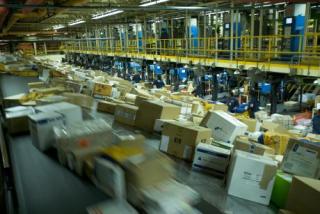
Image courtesy of khunaspix at FreeDigitalPhotos.net