
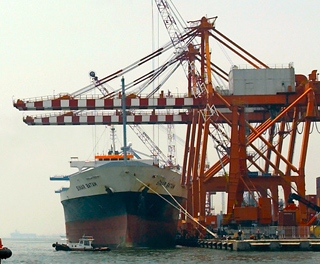
 Indonesia’s state-owned port operator PT Pelabuhan Indonesia II (Pelindo II) achieved a 33 percent surge in net profit to IDR1.6 trillion (US$176 million) in 2011 from $132.6 million in 2010.
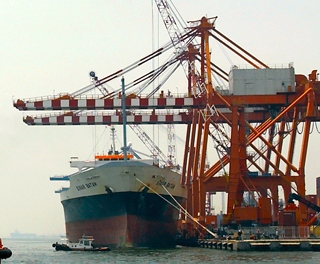
The increase came as cargo traffic rose following handling facility upgrades at the operator’s 12 ports nationwide, particularly the Port of Tanjung Priok, the country’s main shipment gateway.
For 2011, the company logged a 41 percent increase in total revenue to $566 million from $398 million in 2010.
In recent years, Pelindo II has reportedly spent US$250 million on investments in handling equipment and an IT platform for Tanjung Priok, and initiated a round-the-clock port operation system.
The improvements have allowed the Tanjung Priok port to accept its first 4,500-TEU ship recently.
“We need to improve our services so that the distribution system in the country can also be improved, and to help cut the high costs of logistics,” said Richard Joost Lino, Pelindo II president director.
Lino unveiled the new logo of Pelindo II at a press conference on February 22, part of the company’s ongoing transformation into its new corporate identity, the Indonesia Port Corporation, or IPC, in line with its goal to become a world-class port operator.
Photo courtesy of Pelindo II