
 With the massive volume of information in their hands, logistics companies can use data analysis to their advantage by predicting emerging supply chain trends ahead of the competition, thus gaining a concrete advantage over their rivals, according to a new report by DHL titled “Big Data in Logistics.”
“Big data and logistics fit together perfectly. Logistics companies manage a huge flow of goods and thereby create massive volumes of data,” explained Martin Wegner, vice president of research and development at DHL Customer Solutions & Innovation.
“Specific data about millions of deliveries, including destination, size, weight and information about contents, is recorded every day. That data offers huge potential for new business models, among other things. That allows logistics companies to become search engines for users from every conceivable field,” he added.
“Big data” is the name given to the huge amounts of information that can be systematically collected from various sources and then analyzed and evaluated with the help of new technologies. The rapid increase in the quantity of available data is primarily the result of automatic generation. Examples include the recording of delivery data or prescriptions in the health-care sector.
The trend report focuses on three areas where logistics companies and other industries can apply data analysis: operational efficiency, customer experience, and new business models.
Big data can be used to improve operational efficiency in delivering packages in real time by taking into account the order of delivery, the traffic situation, and the availability of the recipient.
It can also allow for an improved customer experience through the ability to predict delays in the supply chain, enabling supply chain providers to make appropriate adjustments.
Finally, big data offers logistics providers ideas for new business models, such as by analyzing how weather conditions, outbreaks of flu, and the online purchases of consumers correlate.
“Such analysis reveals that bad weather leads to increases in the volume of purchases made online,” said the report. “That, in turn, directly affects the volume of packages sent. In such cases, big data models can help companies optimize processes to offer improved customer service.”
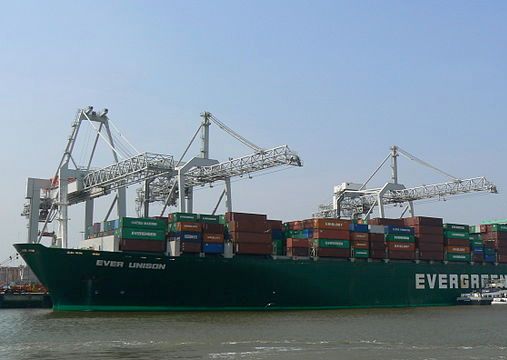
Photo: Paul L Dineen