 The Malaysian government has resurrected a mothballed agency that is being tasked to support the local logistics industry and promote its growth, especially with the impending ASEAN economic integration.
After three years, a reorganized Malaysian Logistics Council (MLC) has been resuscitated to focus on four key areas in freight forwarding: transport and infrastructure, institutional framework and regulation, industry best practices and development initiatives, and trade facilitation.
The MLC will be headed by the secretaries-general of the Ministry of International Trade and Industry and the Transport Ministry, according to local media reports.
Among the priority areas it will look into are the ASEAN integration and its impact on the country’s logistics industry, the improvement of the Port Klang road system, and the enhancement of the connectivity between the rail and road networks with the ports.
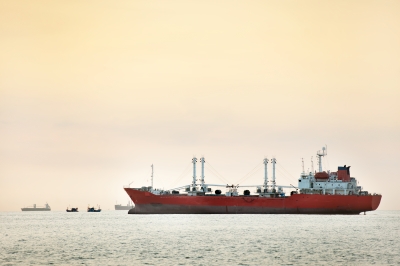
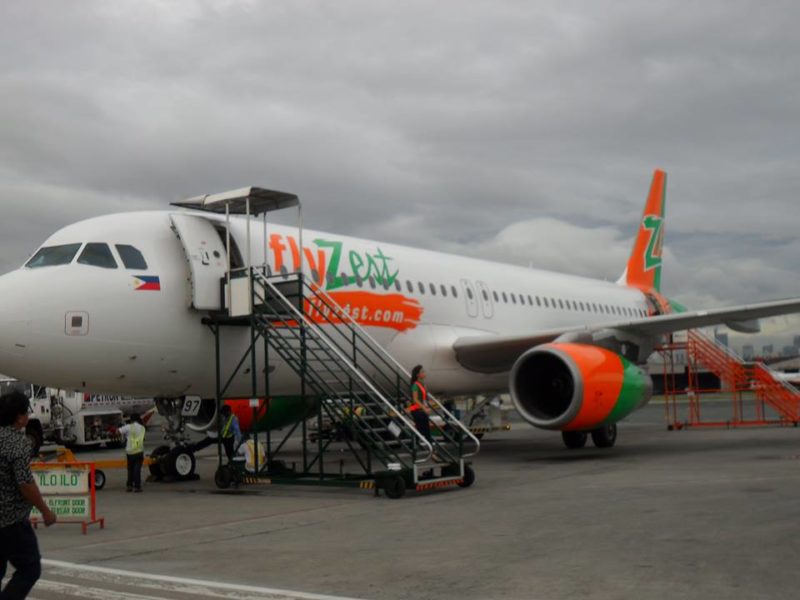
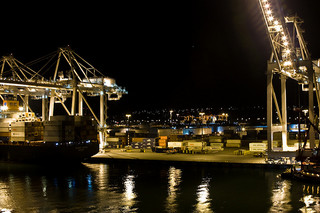
The MLC will also study ways to further develop the linkages between multimodal transportation networks, such as those connecting land, sea, and air routes.
The revival of the agency is part of a national strategy to elevate the nation’s logistics and supply chain system so as to be more regionally competitive and attract more foreign investors.