
 Amidst challenging global economic conditions, Malaysia is expected to continue to perform well as the country’s current macroeconomic policies are appropriately geared to address external difficulties and global shocks, according to the International Monetary Fund (IMF).
While the financial institution expects economic growth in Malaysia to ease, the nation is still forecast to post a robust 4.4% expansion this year from 5% in 2015. The IMF predicts the economy to remain resilient, “underpinned by healthy, albeit moderating domestic demand but constrained by weak external demand.”
Malaysia’s highly open and diversified economy has been hit by a number of external and domestic shocks since late 2014, including sharply lower energy and commodity prices, spillovers from China and other trading partners, capital outflows, and domestic political controversy.
However, strong fundamentals, ample buffers, a robust financial system, and timely policy responses have enabled the country to weathered these onslaughts, said IMF.
The authorities have responded to the multiple shocks “in a timely and decisive fashion and their policy agenda remains on track,” it added.
Fiscal consolidation, including the introduction of the goods and services tax in April 2015, and removal of costly fuel and other subsidies starting in late 2014 have shielded the nation from the effects of lower oil-related revenues and helped to diversify the revenue base.
But while the outlook is good, the increasingly challenging environment requires continued implementation of sound macroeconomic policy and structural reforms to raise growth potential over the medium term, the organization continued.
The IMF endorsed the current settings for fiscal policy, noting these are appropriate in an environment of moderating growth and low inflation. It also approved of the policy of exchange rate flexibility adopted by the government which, combined with the use of reserves, has helped insulate domestic financial conditions from global cycles.
Moreover, Malaysia’s banking sector is well capitalized and resilient and the tighter financial conditions and macroprudential policies have resulted in a slowdown in credit growth.
On structural reforms, these should include the continued focus on improving physical infrastructure and human capital endowment and pursuing broad economic reforms under the 11th Malaysia Plan 2016-2020 unveiled in May 2015.
These reforms and policies, along with recent international agreements, including the ASEAN Economic Community and the Trans-Pacific Partnership, should help boost productivity and enhance regional integration, said IMF.
In addition, it urged the continued improvement in the quality of education for Malaysia to achieve higher income status. It also underscored the importance of high standards of governance of public enterprises and a clear communication of government-linked companies’ investment and financing plans.
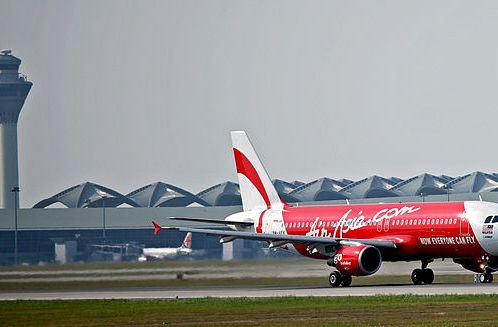
Photo: mattbuck