 A new mandatory code for ships using gases or other low-flashpoint fuels entered into force on January 1, as did new training requirements for seafarers working on those ships.
Amendments to the International Convention for the Safety of Life at Sea (SOLAS) require new ships using gases or other low-flashpoint fuels to comply with the requirements of the International Code of Safety for Ships using Gases or other Low-flashpoint Fuels (IGF Code).
The IGF Code contains mandatory provisions for arranging, installing, controlling, and monitoring machinery, equipment and systems using low-flashpoint fuels, with initial focus on liquefied natural gas (LNG). The IGF Code aims to minimize the risk to ships, their crews and the environment, given the nature of the fuels involved.
According to the International Maritime Organization (IMO), gas and other low-flashpoint fuels are cleaner for the atmosphere as they emit very low levels of air pollutants, such as sulfur oxides and particulates. But these fuels pose their own safety challenges, which need to be properly managed.
The amendments to SOLAS chapter II-1 (Construction—Structure, Subdivision and Stability, Machinery and Electrical Installations) include amendments to Part F Alternative Design and Arrangements in order to provide a methodology for alternative design and arrangements for machinery, electrical installations, and low-flashpoint fuel storage and distribution systems.
Also included is a new Part G Ships Using Low-Flashpoint Fuels so as to add new regulations to require ships constructed after the entry into force on January 1 to comply with the IGF Code. Related amendments to chapter II-2 and Appendix (Certificates) also enter into force.
The IGF Code addresses all areas that need special consideration when using low-flashpoint fuels, taking a goal-based approach, with goals and functional requirements specified for each section forming the basis for the design, construction, and operation of ships using this type of fuel.
Other newly effective amendments
A number of other amendments also entered into force on January 1, IMO noted.
Amendments to the International Convention on Standards of Training, Certification and Watchkeeping for Seafarers (STCW) and to the STCW Code include new mandatory minimum requirements for the training and qualifications of masters, officers, ratings and other personnel on ships subject to the IGF Code.
Amendments to SOLAS regulations II-2/4.5 and II-2/11.6 clarify the provisions related to the secondary means of venting cargo tanks in order to ensure adequate safety against over- and under-pressure in case a cargo tank isolation valve is damaged or inadvertently closed; while changes to SOLAS regulation II-2/20 relate to performance of ventilation systems.
Meanwhile, amendments to regulation 12 of MARPOL (International Convention for the Prevention of Pollution from Ships) Annex I, concerning tanks for oil residues or sludge, update and revise the regulation. These revisions expand on the requirements for discharge connections and piping to ensure oil residues are properly disposed of.
Also, from January 1, STCW certificates must be issued, renewed, and revalidated according to the provisions of the 2010 Manila Amendments.
However, due to concern that some parties may not be able to issue the required STCW certificates by January 1, IMO’s Maritime Safety Committee in November 2016 issued a circular which agrees that a “practical and pragmatic” approach should be taken during inspections for a period of six months. This is to allow flexibility if seafarers are unable to provide certificates that were issued in compliance with the 2010 Manila Amendments.
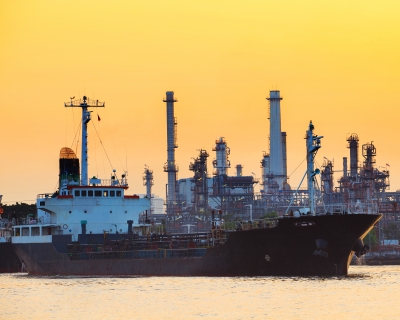
Image courtesy of khunaspix at FreeDigitalPhotos.net