

Philippine manufacturing output continued its recovery in February 2018, recording double-digit increases in both volume and value, data from the Philippine Statistics Authority (PSA) showed.
In PSA’s latest Monthly Integrated Survey of Selected Industries (MISSI), the Volume of Production Index (VoPI) for manufacturing grew 24.8% in February 2018, higher than the 9.8% registered in the same month in the previous year.
This was mainly influenced by the increments noted in 16 major sectors. Of these, 11 major sectors registered two-digit increases in VoPI: printing (108.1%), food manufacturing (32.6%), electrical machinery (30.3%), beverages (24.1%), petroleum products (23.4%), miscellaneous manufactures (20.5%), leather products (14.4%), fabricated metal products (12.6), chemical products (11.1%), basic metals (10.7%), and machinery except electrical (10.4%).
The Value of Production Index (VaPI) likewise rose 23.6%.
This has led to the three-month moving average growth rate of both indexes to remain in positive territory at 12.9% and 11.7% ]respectively?[. This is also the second consecutive month that manufacturing output showed increases after a series of declines from September to December 2017.
In a statement, National Economic and Development Authority Undersecretary for Policy and Planning Rosemarie Edillon said “the increasing working-age population, rising productivity, improvement in business environment, and aggressive infrastructure development will also help spur growth in the sector.”
“The industries’ outlook for both the current and succeeding quarters remains bullish with the expectation of sustained robust demand, improvement in production capacity, new product lines, and enhanced marketing strategies,” she said.
NEDA said the positive business sentiment of Philippine industries mirrored the high business confidence among Asian companies in the first quarter of 2018.
“However, risks to growth remain. The government must remain cautious of increasing inflation which may lead to higher cost of production for manufacturing firms. Strategies are needed to be pursued to sustain the upward growth trajectory of the manufacturing sector,” Edillon noted.
She said that to attain this, the government needs to encourage all forms of innovation in manufacturing and manufacturing-related services, and to enhance the capacity of domestic firms, especially micro, small, and medium enterprises.
“We need these initiatives to produce raw materials and intermediate goods that meet the requirements of international markets. We also need to pursue bureaucratic and regulatory reforms that incentivize compliance across all levels of government to eliminate red tape and reduce the cost of doing business,” Edillon said.
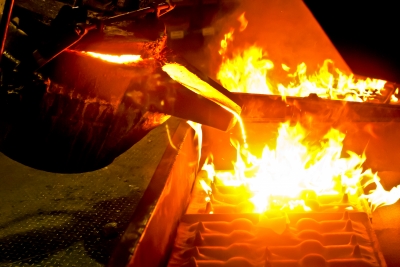
Image courtesy of Kittikun Atsawintarangkul at FreeDigitalPhotos.net