

The Philippine cold chain industry is expected to continue growing by 8% to 10% in the next five years due to population increase and change in consumer preferences, according to the Cold Chain Association of the Philippines (CCAP).
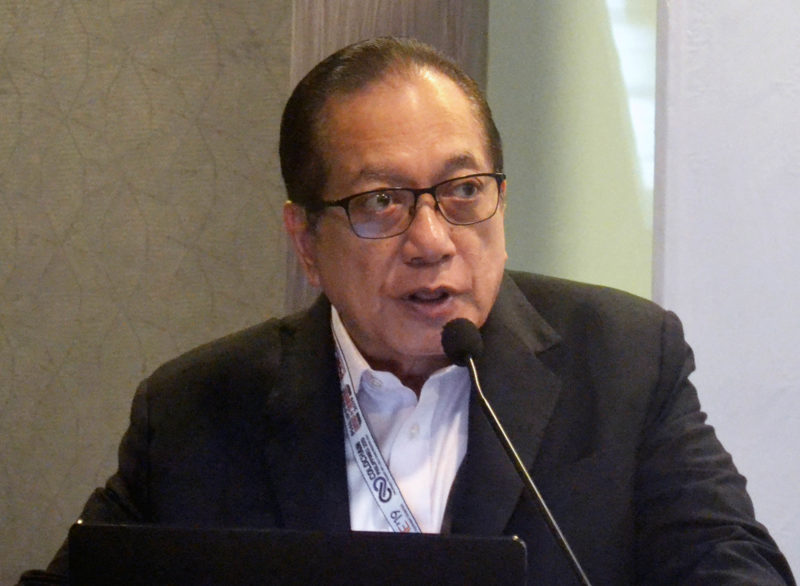
The growing number of industry players and the continuing expansion of aggregate capacity of cold storages—estimated to have grown at least 300% in the past 20 years or so—show “confidence [in] the potential of the cold chain sector,” CCAP president Anthony Dizon told PortCalls in an interview.
More projects are in the pipeline that can contribute about 10% to the cold storage industry’s capacity, Dizon noted.
The same challenges beset the industry though, including high cost of power and logistics, Dizon said.
He said the difficulty in goods transportation has led to subdivision of food distribution activity into regional territorial sections “if only to avoid getting caught in the crosshairs of traffic.” Dizon said this has meant the need for more logistics facilities to be spread strategically around the country, a scenario that bodes well for the transport industry and warehousing sector.
Dizon said the landscape has also changed, with operation of regional facilities scaled down to size as a “fashionable” business model in contrast to the previous model of operating a central warehouse.
With growth of the cold chain industry, Dizon pointed out the transport component has assumed a “critical role in assuring continuity of the cold chain in protecting food quality”, given the archipelagic nature of the country and the attendant problems of economic progress such as increased traffic in urban areas.
CCAP is in partnership with the United States Agency for International Development to identify areas in the country that could most benefit from cold chain. He said eight cities have so far been identified and earmarked for cold chain infrastructure development.
Of the eight, the first four locations up for cold chain development are Batangas, Iloilo, Cagayan de Oro and Zambales. – Text and photo by Roumina Pablo