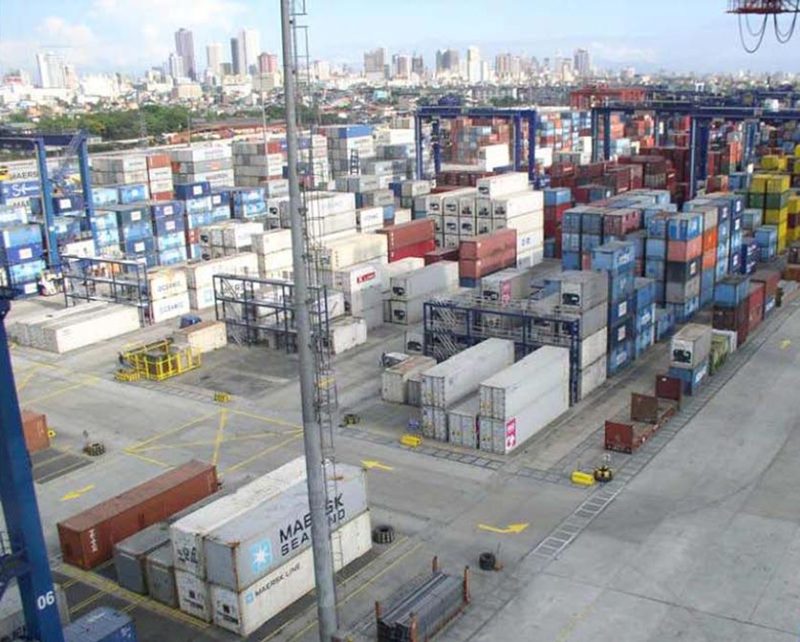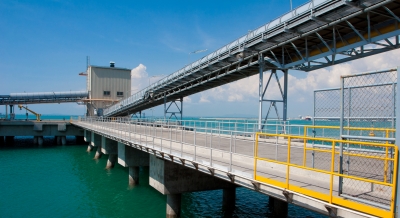


A PORT accreditation system that would limit imports of sensitive commodities to certain ports could be in place soon after the Philippine Department of Finance (DOF) approves an implementation plan the Bureau of Customs (BOC) is due to submit this week.
The accreditation system will initially target oil shipments, but later include other commodities at high risk of being smuggled into the country, such as steel, grains, tiles, gold, and vehicles, reports quoted Customs Commissioner Rozzano Rufino B. Biazon as saying over the weekend.
The bureau has “prepared a draft CAO (Customs Administrative Order) for it already … the Assessment and Operations Coordinating Group has finished the study on the implementation of a port accreditation system,” Biazon was quoted by a local newspaper as saying.
“They are finalizing the report to be submitted to the DOF. We will be submitting it, if not within this week, then maybe next week.”
The DOF last April 11 issued Department Order No. 17-2013, which identifies priority measures aimed at curbing the smuggling of “sensitive” commodities, following reports that P30 billion to P40 billion worth of oil was being smuggled into the country through the ports each year.
Finance Secretary Cesar Purisima instructed the BOC to conduct a study, consult relevant stakeholders and submit a report with recommendations to allow implementation of the order.
DO 17 states that select ports will be accredited for the importation of commodities at high risk of smuggling.
The accreditation, the order states, will be “subject to standards, technical requirements and applicable laws, rules and regulations.”
Biazon said stakeholders at first aired their concerns about the scheme during the agency’s consultations.
“Initially, they had concerns. They said it limits their business,” he said.
“There were also concerns among those who’d already invested in certain ports. They said, if it turns out they can’t use those certain ports anymore for their operations, what would happen to their investments?” he added.
DO 17 likewise ordered the BOC to require importers of sensitive commodities to submit import plans in advance, and all ports to submit monthly reports and statistics, specifically lists of importations with such details as dates of arrival, the port of origin, capacity of the carrying vessel or aircraft, the type of commodities and consignee details.
These will be cross-checked against data from other concerned agencies such as the Energy department and the Philippine Ports Authority to eliminate any discrepancies.
Image courtesy of John Kasawa /FreeDigitalPhotos.net