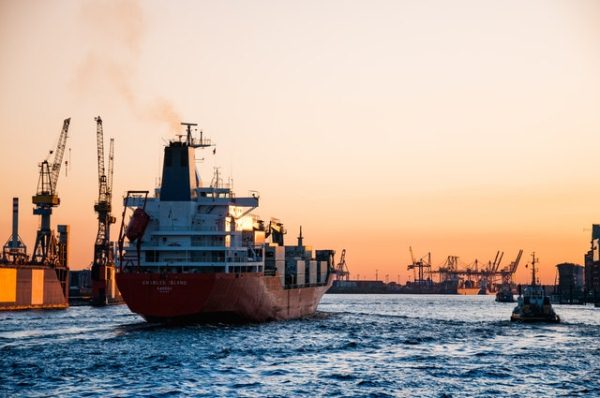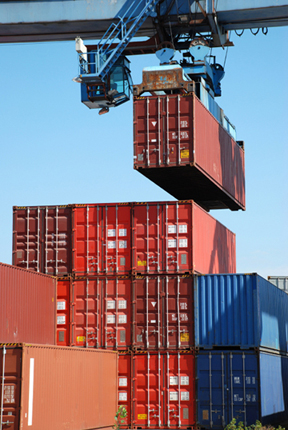
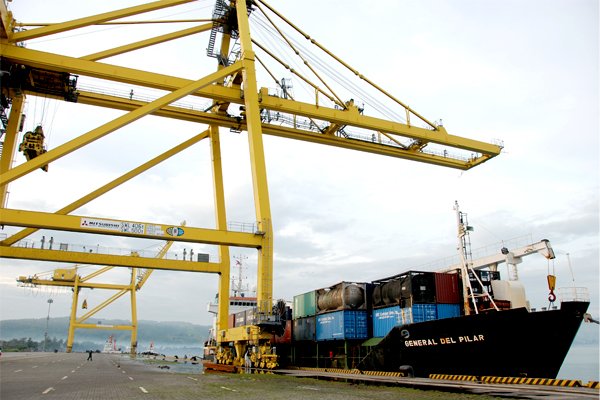
 The Philippine Export Development Council (EDC) together with the National Competitiveness Council (NCC) is re-launching its advocacy calling for lower shipping costs.
At the recent meeting of the EDC Networking Committee on Transportation, Philippine Exporters Confederation vice chairman/trustee and EDC member Donald Dee noted exporters have been clamoring for reforms in the domestic shipping cost for 30 years now.
Another trustee and EDC member, Roberto C. Amores of the food sector, said hardest hit by high domestic shipping cost and port charges are processed food exporters who source raw materials and inputs all over the country. Furniture and home furnishing industries that also source their raw materials from different regions in the country suffer from the problem.
Studies made by local think-tank groups and even the World Bank submitted to EDC during the meeting showed shipping costs to and from the country are competitive with neighboring countries; the cost of interisland shipping is not.
The problem has its root in the cabotage principle, and high port charges allowed by the Philippine Ports Authority.
The cabotage principle prohibits foreign vessels from directly transporting domestic cargo between two ports other than those designated as international ports such as the Manila International Container Port, the Manila South Harbor, Batangas, Limay, and Davao. Coastwise trade is therefore restricted to national flag carriers to the exclusion of foreign vessels.
Exporters, particularly in Mindanao and Visayas, have complained their cargoes are shipped at higher costs because the law protects local vessel operators, allowing them to arbitrarily charge uncompetitive rates, hindering competition, and fostering inefficiency.
By amending the law, exporters said, there may be room to rationalize domestic shipping costs and avail of better services from local shipping companies.
However, there is a stumbling block to this move — Article 12, Sec. 11 of the Philippine Constitution which reserves operation of public utilities (shipping included) to companies at least 60% Filipino-owned. (A 100% foreign shipping company is thus prohibited from handling domestic cargoes.)
Henry Basilio, committee vice chairman, in a separate interview said that in the past, the EDC has advocated for a “liberal interpretation of the cabotage”, i.e., consortium shipping.
Under this concept, a foreign shipping company, instead of asking a domestic shipping company to carry its foreign cargoes to other ports (e.g. from Manila to Cebu) enters into an agreement with another foreign shipping line making multi-port calls.
“However, in reaction to our advocacy, the domestic players inserted a provision in the Domestic Shipping Act of 2004 or RA 9295 that prevents this from happening. It says: “The SAME foreign cargo must be carried by the SAME foreign shipping line between two ports in the country”, Basilio explained.
As for the other cause of high shipping rates, it was pointed out that the PPA has been a beneficiary of high port charges due to its power to approve petitions for rate hikes.
Under a presidential letter of instruction issued by then President Ferdinand Marcos, the PPA gets a share of 20% of port charges for exported and imported cargoes and 10% for domestic shipments.