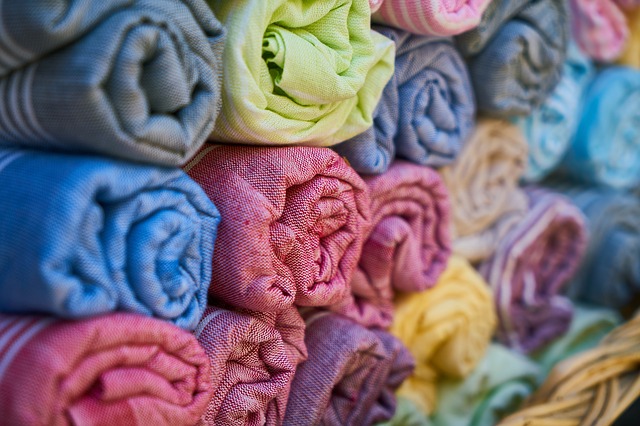

 The Philippine garment and textile industry is gearing up to jumpstart its resurgence and gain back its reputation as a competitive player in the domestic and international markets with strategic initiatives, projects, and partnerships involving key players, manufacturers, stakeholders now underway.
A US$3 billion industry at its peak, the country’s garment and textile export sector had during the 1990s been considered a sunrise industry.
“Our garments industry used to be one of the top performing sectors both locally and internationally,” Department of Trade and Industry (DTI) undersecretary for industry development and trade policy and managing head of the Board of Investments (BOI) Ceferino Rodolfo said in a statement.
But with the challenges brought about by the end of the Multi-Fiber Agreement (MFA) which granted preferential tariffs to the country’s exports of garments and textiles, “we saw a decline in the sector’s general performance,” he noted.
The MFA, which prescribed quota allocations in identified textiles and garments from developing countries like the Philippines, India, and Vietnam that were for export to developed countries, was replaced by the Agreement on Textiles and Clothing (ACT) in 1995.
The ACT aimed to integrate the garment and textile sectors and discontinue restrictions in the MFA, including quota allocations, leading up to the full adoption of the General Agreement on Tariffs and Trade (GATT), and putting an end to the quota system by year 2005.
As a result, garment and textile enterprises in the Philippines that had relied on quotas underwent difficulties, leading to closure of factories and downsizing. At present, the industry is still seen as one with immense potential to generate the jobs needed in the country.
BOI, the country’s lead industry development and primary investment promotion agency, is currently amplifying its initiatives to help the industry rise again and overcome the numerous setbacks it has encountered.
“We focus on securing market access in key export markets such as Japan, Europe, and the United States, to Free Trade Agreements and Preferential Trade Arrangements including the Generalized System of Preferences (GSP), and the GSP+,” Rodolfo said.
Through the Industry Development Program under the government’s Manufacturing Resurgence Program, BOI is likewise formulating a Roadmap for the Garments and Textile Industry that will chart the future of the industry’s growth, based on an assessment of the current situation and economic performance, and identification of industry roadblocks.
Starting in December 2017, BOI conducted six focused group discussions with industry stakeholders and other government agencies and organizations nationwide. The roadmap is expected to be finalized before the end of 2018.
While the roadmap is being developed, BOI teamed up with the Confederation of Wearables Exporters of the Philippines and different industry associations for the first ever Philippine Garment and Leather Goods Industries & Fabric Expo held August 23-26 to further promote the industry.