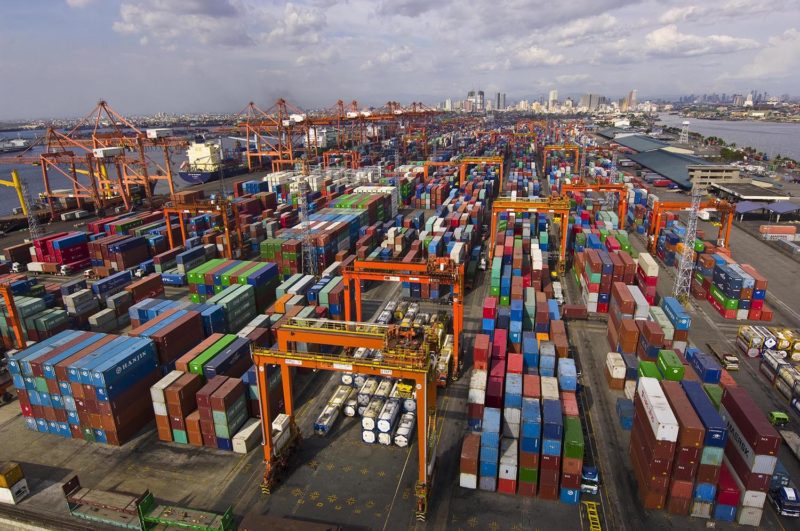
The Philippine manufacturing sector grew further in March 2017 following the increased production of petroleum products, food, and transport equipment, according to the National Economic and Development Authority (NEDA).
The Volume of Production Index for manufacturing grew 11.1% in March 2017, higher than the 8.2% growth recorded in the same month last year, according to the latest Monthly Integrated Survey of Selected Industries by NEDA-attached agency Philippine Statistics Authority.
The manufacturing sector is “expected to benefit from the sustained growth economic momentum and increasing infrastructure and human capital investments. It can also benefit from the country’s ‘BBB-’ or ‘good quality rating’ with a positive outlook for both foreign and local currency denominated obligations,” NEDA Undersecretary Rolando Tungpalan said in a statement.
Meanwhile, the Value of Production Index grew 12.2% in March 2017 from 0.8% during the same period last year.
For consumer goods, food manufactures posted a growth of 23.4% in volume and 20% in value of production. Tungpalan said this is due to the sustained domestic demand for basic goods, particularly for food and beverages.
For intermediate goods, petroleum products soared in both volume and value of production, registering a growth of 61.5% and 94.9%, respectively, as they recovered from their contraction in the same period last year.
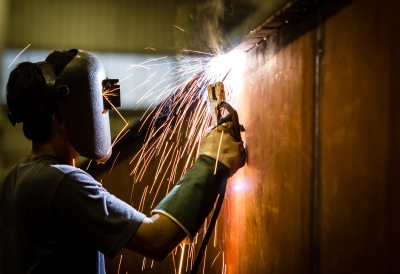
For capital goods, fabricated metal products boomed by 74.4% in volume and 15.1% in value of production, while transport equipment sustained its momentum.
“This momentum signals the desire of the sector to support the government’s ambitious infrastructure development program. As such, we must push for the adoption of innovative technological advancements to increase the productivity of local producers and enterprises,” Tungpalan said.
The increase in production of construction-related manufactures was backed by the strong demand for residential and commercial development, as well as the increased spending on public infrastructure.
However, the NEDA official warned of the upward risks to inflation as well as possible external risks.
“We must keep diversifying our market and increase our attractiveness to investors by addressing legal impediments that restrict foreign participation, minimizing regulatory burden, and reducing the cost of doing business in the country,” Tungpalan said.
Image courtesy of phaendin at FreeDigitalPhotos.net