
 The Philippine manufacturing sector’s output recorded strong growth in the first quarter of the year despite the slow pace it posted in March 2016, according to the National Economic and Development Authority (NEDA).
In the Philippine Statistics Authority’s monthly integrated survey of selected industries for March, the volume of production index grew 7.8%, a slowdown from the 11.2% growth posted in the previous month. This is also slower than the 14.9% improvement recorded in the same month last year.
On the other hand, the value of production index recorded a 1.9% increase in March, picking up from the 5.6% decline recorded in the previous month.
“We attribute first-quarter growth to robust manufacturing production that was supported by strong household spending and sound macroeconomic fundamentals,” Socioeconomic Planning Secretary Emmanuel F. Esguerra said in a statement.
The first-quarter growth was supported by increased production in food manufactures, electrical and non-electrical machinery, and chemical products, among others.
“The positive performance of the manufacturing sector is expected to continue and drive higher growth in the first semester of the year. The buoyant domestic demand, stable inflation, low power rates, and continued decline in world crude oil prices will continue to support the growth of the sector, and at the same time, will help cushion the effect of slow global economic growth,” the Cabinet official said.
Esguerra, who is also NEDA director-general, added that election-related spending also provided an added boost to the production of paper and plastic products.
For consumer goods, tobacco production spiked by 82.6% in both volume and value in March, suggesting continued robust demand for tobacco products.
Food manufactures also accelerated in March, rising15.3% and 16.3% in volume and value of production, respectively.
“The positive performance of the food subsector is a turnaround from the declines recorded in 2015. This was on the back of a strong domestic economy, lower raw material prices, better product mix, and improved production efficiencies,” Esguerra said.
Meanwhile, the strong growths posted by tobacco, food manufactures, paper, wood, and metal products offset the double-digit declines in petroleum and leather products.
To support the continued expansion of the manufacturing sector, Esguerra emphasized the need to strengthen linkages between agriculture and manufacturing in strategic locations to create stable employment and reduce dependency on highly vulnerable economic activities.
“We must increase the productivity of agribusiness and manufacturing-related services through continued public investment in research and development. This will boost competitiveness and innovation across all production sectors,” he said.
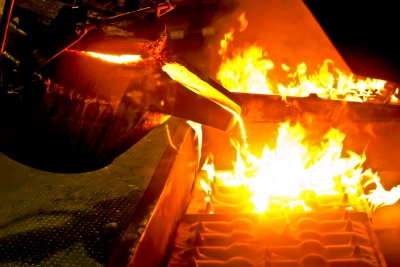
Image courtesy of Kittikun Atsawintarangkul at FreeDigitalPhotos.net