The Philippine manufacturing sector slowed in March, with the latest Nikkei Philippines Manufacturing Purchasing Managers’ Index (PMI) dipping to 51.5 in March 2019 from 51.9 in February 2019. This is the lowest reading for seven months, indicating weaker growth at Filipino manufacturers.
“Slowing output growth and a comparably modest rise in new business hampered manufacturers in March, with the PMI sliding for the fourth month running,” David Owen, economist at IHS Markit, which compiles the survey, said.
Many businesses saw volumes of work grow from February, but others reported decreased production due to falling sales and reduced supply of raw materials.
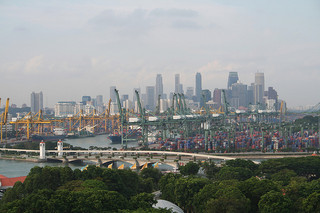
The “worsening port congestion in Manila” translated to further delays to delivery times and increased lead times in March, the release said.
“Arising last year, these supply chain issues have meant that vendor performance has worsened in each of the past eight months,” it added.
“Port congestion at Manila continues to increase lead times and reduce raw material supply, and will likely harm exports if the problem is not contained. However, managers will be pleased with reports of even softer price pressures, which should boost profit margins,” Owen noted.
“New order growth remained solid in March, albeit still weaker than the series average. Manufacturers were boosted by strong customer demand, with some highlighting increased activity in the construction sector. At the same time though, firms saw a fractional decline in new export orders. Anecdotal evidence suggested that weaker overseas demand and administration issues affected sales.”
Owen said the PMI for the first quarter “points to weaker growth in manufacturing production compared to the end of 2018, with employment trends also remaining subdued.”
Last March 8, the Bureau of Customs has declared Manila’s international terminals are no longer congested, with yard utilization back at ideal levels.