 Philippine imports inched up 0.6% to $4.985 billion in November from $4.956 billion year-on-yeardue to higher fuel purchases, according to the National Statistics Office.
Month on month, the November figure dropped 0.7% from $5.019 billion.
From January to November, imports jumped 11% to $55.506 billion compared to $49.984 billion in the same 2010 period.
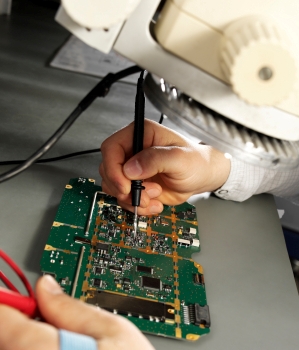
Electronic products remained the country’s top import commodity after accounting for 27.7% of the total import bill or $1.382 billion, an annual decline of 14.9%. Compared to October 2011, the figure expanded 11.8% from $1.237 billion.
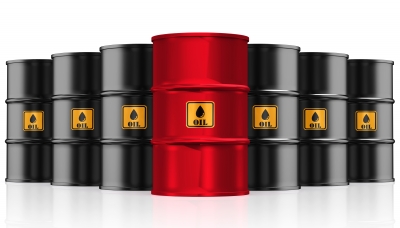
Imports of mineral fuels, lubricants and related materials ranked second with a 22.7% share amounting to $1.131 billion. This expanded by 30.4% from $866.85 million in November 2010.
Representing 5.4% of the aggregate, transport equipment was the country’s third top import for November valued at $270.91 million, 32% less than the $398.34 million posted in the same period a year ago.
Japan remained the country’s top source of imports comprising 12.7% of the total November bill with receipts reaching $631.60 million, up 8.3% from $583.07 million in November 2010.
China was the country’s second major source of imports with an 11% share and recorded payments worth $548.82 million.
The US was in third place with a 10.9% share at $542.80 million, lower by 3.9% from $564.92 million in November 2010.