
Decreases in the production of petroleum, transport equipment, and export-oriented products led to the decline in Philippine manufacturing output for September 2017, according to the National Economic and Development Authority (NEDA).
In the Monthly Integrated Survey of Selected Industries (MISSI) for September, the Volume of Production Index (VoPI) declined by 3.7%, a reversal from the 11.2% growth last year, while the Value of Production Index (VaPI) decreased by 4.3%.
NEDA said this made the three-month moving average of VoPI and VaPI decline by 1.9% and 2.5%, respectively.
The decrease in the production volume of petroleum products is attributed to the lower production of coke and other fuel products, while the contraction in transport equipment follows lower imports of raw materials.
For export-oriented products, declines were seen in the production volume of textiles, footwear and apparel, chemicals, rubber and plastic, and wood products.
Production continued to grow, however, in construction-related manufactures and food manufacturing.
NEDA Officer-in-Charge (OIC) and Undersecretary Rosemarie Edillon, however, remained optimistic of a rebound in the manufacturing sector in the next quarter on the back of higher consumer confidence and optimistic business sentiment.
“The Consumer Expectation Survey of the Bangko Sentral ng Pilipinas reported high consumer outlook optimism for the fourth quarter, with respondents expecting additional income, employment opportunities, and improvement in the peace and order of the country,” Edillon said in a statement.
In addition, the 2017 Asia-Pacific Economic Cooperation CEO Survey results showed that Philippine top corporate officers and business specialists are “very confident” about their companies’ revenue growth in the next 12 months and are more likely to increase their investments in the country.
Edillon noted that efforts to enhance the ease of doing business in the country, as indicated in the Philippine Development Plan 2017-2022, need to be pursued to attract more investments in the manufacturing sector. Such efforts include online application procedures and electronic processing of transactions.
“Elimination of redundancy in the process and lowering the cost of doing business is expected to attract new entry players and expand existing firms,” she said.
A comprehensive credit information system also needs to be developed to help financial institutions make more informed lending decisions, particularly those related to cooperatives and micro and small enterprises.
Edillon explained that this should go hand in hand with efforts to implement an effective investment incentive system to attract more multinational manufacturers and parts suppliers to set up operations in the country.
MISSI is a report that monitors the production, net sales, inventories, and capacity utilization of selected manufacturing establishments to provide flash indicators on the performance of the manufacturing sector.
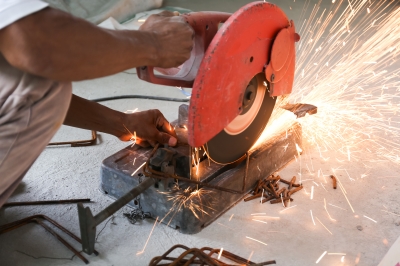
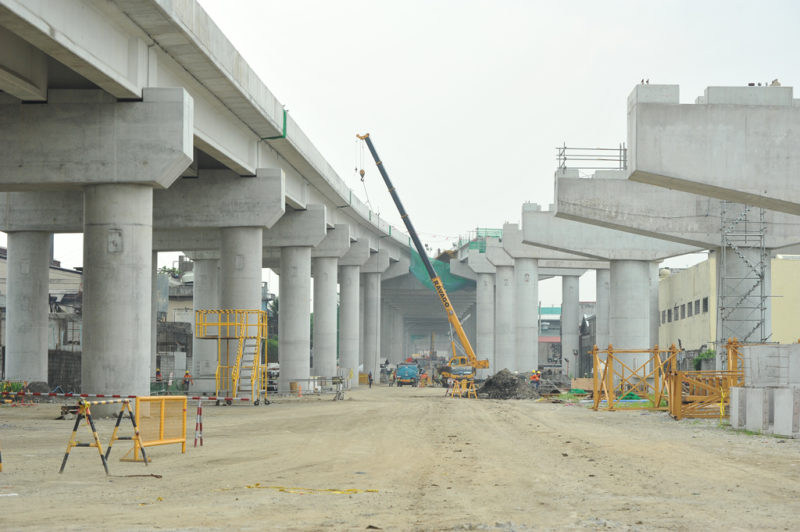
Image courtesy of phaendin at FreeDigitalPhotos.net