
 Philippine Liner Shipping Association (PLSA) member carriers are imposing a 32% increase in bunker surcharge on domestic cargoes, excluding transshipment cargoes, due to soaring fuel prices.
The adjustment will likely be adopted toward the latter part of the month and will cover all fuel price adjustments since February 2011.
Fuel expenses comprise about a third of shipping lines’ operating cost.
“Based on our computation, the price of bunker has risen by 31.92% since we last increased our rates a year ago,” a ranking official of a PLSA member line told PortCalls.
PLSA uses the weekly posted price provided by Pilipinas Shell for its fuel price computations.
“We can no longer subsidize the cost as cargo volume has not performed as projected in the past couple of years,” the source who requested anonymity said.
Once imposed, shippers to and from all Visayan ports will have to shell out an additional P800 bunker surcharge per container and shippers to and from Mindanao ports, an additional P1,400 per container.
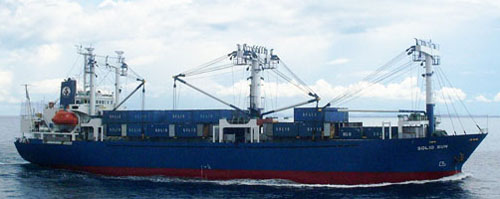
PLSA comprises Negros Navigation, Solid Shipping Lines, NMC Container Lines, Oceanic Shipping Lines, Lorenzo Shipping Corp, and Philippine Span Asia Carriers Corp.
Photo from http://solidshipping.com/