
COST of goods is expected to rise and businesses will be greatly affected when the Manila City government starts a daytime ban beginning Feb 24.
Under Ordinance No. 8336 (An Ordinance Amending Certain Provisions Of Ordinance No. 8092, Otherwise Known As The “Traffic Management Code Of The City Of Manila” and Appendix V Thereof and for Other Purposes) signed on February 5, all eight-wheeler and over trucks with gross weight of 4,500 kilograms will be banned from plying Manila streets from 5am to 9pm, and will only be allowed from 9 pm to 5 am on designated truck routes.
The ordinance was initially going to be implemented on Feb 10 but opposition from many business sectors seem to have delayed the move.
Transport stakeholders said limiting the window for trucks to move goods will have a “colossal” impact on the supply chain.
Supply Chain Management Association of the Philippines president Arnel Gamboa in a text message to PortCalls described the ordinance as a “sad development”, noting that “the impact would be colossal but hard to compute since it will span various industries.”
Gamboa added, “There would be additional costs involved in transport and may again worsen congestion issues at the port.”
One truck operator told PortCalls he might even opt to double his fees due to the ban.
Integrated North Harbor Truckers’ Association president Teodorico Gervacio in a phone conversation with PortCalls said the group will meet on the issue and might hold a trucking holiday.
One of Gervacio’s concerns is that other local government units in Metro Manila will follow Manila’s lead and also impose a daytime truck ban.
A source from the Confederation of Truckers’ Association of the Philippines (CTAP) said the group will write a letter to transport agencies such as the Land Transportation Office and the Land Transportation Franchising and Regulatory Board explaining the effects of the ban.
CTAP earlier spoke of, among other things, a possible clogging at unloading points when over 4,000 trucks from various points of Luzon “deliver goods at the same time” at night in city warehouses.
The Chamber of Customs Brokers, Inc. also issued an earlier position paper saying ports, “no matter how efficient”, will not be able to accommodate huge volumes of deliveries and withdrawal of cargoes from 9pm to 5am, especially since around 75% of the country’s imports arrive through the Port of Manila and Manila International Container Terminal.”
“Eight hours is not enough to fully accommodate the need of importers to receive their cargoes on time,” CCBI said, thus, resulting in delays in cargo delivery.
CCBI said such would translate to delayed production/manufacturing activities; no manufacturing activity; no salary for those paid on a per piece basis or those on-call employees; and reduction in the countries’ gross domestic product.
“The above mentioned potential impact does not include the potential impact to the export industry and the source of income of the marginalized truck drivers, helpers and truck operators,” CCBI noted.
Instead, CCBI is suggesting “free truck corridors” to “provide unhampered flow of cargoes in and out of the ports” 24 hours daily, in “the interest of trade facilitation and economic growth.”
The CCBI’s proposal supported the stand of CTAP, outlined in a letter by its president Ruperto Bayocot to Manila councilor Ernesto C. Isip Jr., chairman of the Committee on Laws, which said the truckers’ group is amenable to the proposed amendments to Section 93 of Ordinance No. 8092 “provided that a 24-hour alternate truck route should also be incorporated in the amendment”.
The Philippine Ports Authority, through port district manager for Manila Constante Fariñas Jr., earlier wrote the city council chairman asking that the proposed amendment to the city ordinance “conform with the national policy of ‘ensuring the smooth flow of water-borne commerce passing through the country’s ports’,” adding that the proposal would have a “deep and lasting impact” on domestic and international trade.
Instead of enforcing a daytime truck ban, Fariñas called for the continued implementation of the Metro Manila Development Authority’s (MMDA) 6am-9am and 5pm to 9pm daily truck ban hours.
He also supported the truckers and haulers’ proposal for a 24-hour free truck corridor” or specific alternate routes for an unhampered flow of cargoes in and out of the ports.
In its PortCalls column SCMAP Perspective written by association executive director Ed Sanchez, SCMAP listed some of the effects of another proposal – by MMDA chairman Francis Tolentino — to impose a total daytime truck ban.
SCMAP said the cost of goods will shoot up and deliveries will slow down. Philippine industry will also lose its competitiveness. In the end it’s the consumer who will pay for higher costs.
The online community has mixed reactions to the Manila ordinance. Some gave their approval, saying it would ease traffic. Others said it would hurt businesses and a better solution is needed. –– Roumina M. Pablo
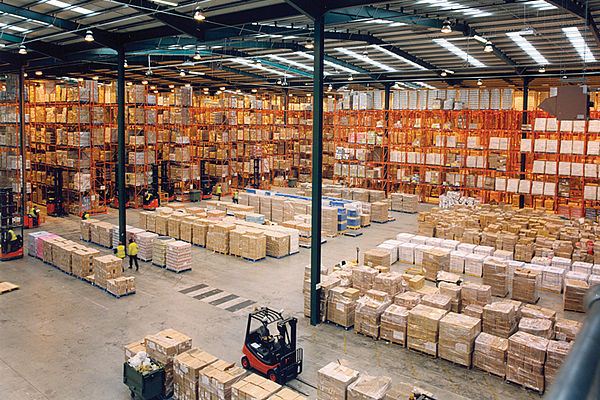
Image courtesy of Gualberto107 / FreeDigitalPhotos.net