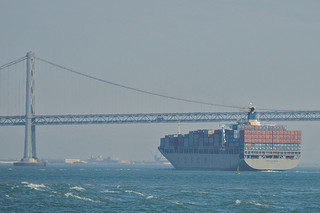
 Increasing labor and production costs have forced many manufacturing giants to relocate their production bases to Asian countries. As multinational companies with better safety programs continue to enter the region, the number of employees using protective footwear is increasing steadily, thereby presenting significant opportunities for the Asia Pacific protective footwear market.
New analysis from Frost & Sullivan, “Analysis of the Asia-Pacific Protective Footwear Market,” finds that the market earned revenues of US$331.2 million in 2011 and estimates this to reach US$435.5 million in 2016.
The market is at various stages of development in different regions. While the Southeast Asian market is driven by improved legislation, enforcement and awareness among end users, the Australia-New Zealand market is more mature, highly penetrated and slow growing, driven by customer demand for quality, comfort and style.
“Countries such as Indonesia, the Philippines and Thailand, with expanding industrial sectors like manufacturing, construction and mining, are fertile markets for protective footwear,” said Frost & Sullivan research analyst Anita Pamu. “As Southeast Asian end users accord lower priority to style than their western counterparts, manufacturers need to supply competitively priced, basic footwear with more support and protection than style.”
The majority of the market demand is met by domestic participants that dominate the Asian markets and are currently focused on producing low-priced goods. The import of Chinese products is further driving down prices, restraining the sale of higher priced products.
Promoting awareness among end users about the right product for the right task is important. With greater awareness and stricter regulations, manufacturers are expected to improve the quality of their products.
“To compete against the domestic participants, international companies must price their products competitively or identify niche market segments,” noted Pamu. “Global suppliers need to acknowledge the physiological differences between the populations of the east and west and create customised models to expand their footprint in this promising market.”
Foreign entrants can gain easier market access by lowering their costs of production through improved and optimized processes, and forging strategic partnerships with distributors, raw material suppliers and manufacturers in the Asia-Pacific.
Photo: paularps