THE Authorized Economic Operator (AEO) scheme seems to be gathering dust at the Bureau of Customs (BOC). The culprit – as it has been for the last two years – is the bureau’s continuing lack of technical knowhow to implement the scheme.
The BOC is relying on international agencies to assist in technical training and capacity building – specifically from the United States and the European Union – but so far no firm commitment has been made by either of the two, according to Customs deputy commissioner Atty Reynaldo Nicolas.
Nicolas admitted the AEO implementation is being “held hostage” by lack of knowledge and technical capabilities and “until international agencies agree to help us, we cannot apply our AEO system even if all the regulations are ready.”
For now, “not having an AEO will not affect Philippine trade with other countries. However, it should also not take that long before we can have our AEO as majority of our trading partners have started to craft their own,” Nicolas, who is in charge of putting into place the scheme, said.
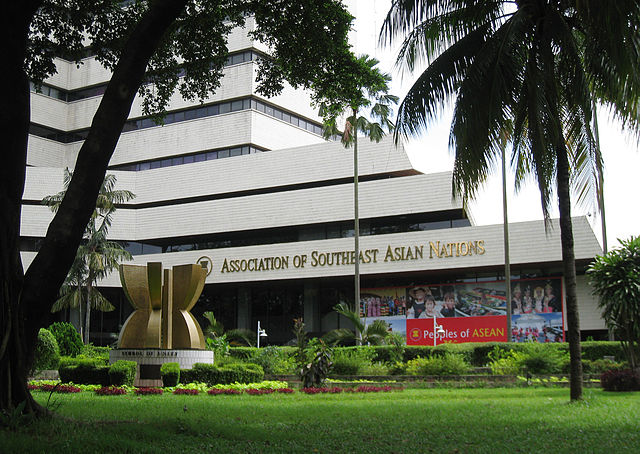
Within the Association of Southeast Asian Nations, only Singapore is implementing AEO. Malaysia has had in place a national scheme even prior to the international launch of the AEO.
Japan, Korea, China, Australia and New Zealand adopt their own. Taiwan is set to implement the scheme next year.
The Philippine AEO is to be called Customs-Trade Alliance to Protect and Accelerate Trade (C-TAPAT). C-TAPAT is patterned with the Customs-Trade Partnership Against Terrorism of the United States.
C-TAPAT seeks to enable the Philippines to comply with its commitment to implement the World Customs Organization (WCO) Framework of Standards to Secure and Facilitate Trade. It paves the way for the establishment of a voluntary certification program (C-TAPAT) that follows the WCO’s AEO concept. The program aims to “help certain economic operators in the international supply chain adopt control measures to enhance the security of the chain.”
C-TAPAT will initially apply to importers already accredited under the Super Green Lane, then to exporters and later on to other economic operators in the international supply chain.
Economic operators who want to join C-TAPAT must have security management systems in place, and a risk assessment of their business operations.
One of the issues that need to be addressed prior to local implementation is the investment required of each firm that will seek AEO accreditation.