 Asian universities and secondary schools must better align with labor market needs to ensure graduates have the skills and knowledge required by employers, according to a new Asian Development Bank (ADB) report titled “Improving Transitions: From School to University to Workplace.”
“Asia’s ability to compete in a globalized world depends on the readiness of students entering university, the employability of graduates in the labor market, and acceleration of innovation, science, and technology for creating new products and services,” said Jouko Sarvi, education practice leader in ADB’s regional and sustainable development department.
The report shows Asia’s students need to be better prepared for the rigors of higher learning, including problem solving and critical thinking needed in math and science studies. The role of education in supporting human resource development is increasingly in the spotlight as more Asian countries move toward middle income status, and demand grows for skilled labor to support higher economic growth.
The misalignment between schools, universities, and the job market is evident in regional employment trends. In Mongolia, graduates of vocational training earn more than graduates of colleges and universities. In Thailand, where the education system skews toward social science, 80 percent of firms report difficulties in finding employees with adequate technical skills. Meanwhile, unemployment among graduates from top-tier universities in China stood at 10 percent in 2008.
Looking at 15 countries in South Asia, Southeast Asia and East Asia, the report recommends diversifying higher education options being offered to students in line with labor market needs. It also encourages partnerships with other institutions and the private sector to foster secondary education reform, and better prepare students for future employment.
“Improving Transitions” is the final of ADB’s recent eight-report series Higher Education in Dynamic Asia.
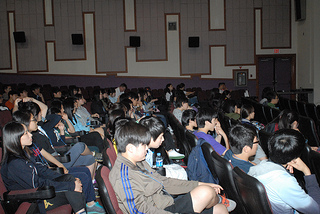
Photo: USAG-Humphreys