The shipping industry is urging the strict and full implementation of the fuel sulfur cap, saying it found “disturbing” the reports that some countries may not fully enforce the new rules of the International Maritime Organization (IMO).
The World Shipping Council (WSC), Baltic and International Maritime Council (BIMCO), Cruise Lines International Association (CLIA), and International Parcel Tankers Association (IPTA) in a joint statement called on IMO member states to fully implement IMO 2020, the new global marine fuel sulfur cap mandated through the IMO.
As of January 1, 2020, the maximum sulfur content of fuel consumed at sea will be limited to 0.50%, unless an exhaust gas cleaning system is used.
“The new rules, including the January 1, 2020, implementation date, have been known for a long time, and the industry has worked diligently to be ready to comply,” said the joint statement released September 18.
“However, the cost of compliance is high, so it is critical that the rule is consistently applied and enforced. There must be a level playing field if this important regulation is going to work.”
Said John Butler, president & CEO of WSC: “Recent reports suggesting that some nations might not fully implement the new rules are disturbing. Lack of full implementation would risk undermining improvements to public health and the environment.”
“The rules and implementation date for the new sulphur limits are clear and must be enforced. We urge any country considering deviation to abandon those ideas and put plans in place to fulfill their enforcement responsibilities as of January 1, 2020, and we encourage the IMO to remind member states of their commitments,” Butler added.
Angus Frew, secretary-general and CEO of BIMCO, observed that “the primary reason to move to low sulphur fuel is to improve air quality. For nations not to implement this regulation is to continue to put at risk the health of their coastal populations.”
Brian Salerno, senior vice-president for environmental policy at CLIA, noted, “The cruise industry is prepared for the 2020 global sulphur limit through a diverse approach using low-sulphur fuels, alternative technologies such as exhaust gas cleaning systems (EGCS) and new ships propelled by liquefied natural gas (LNG) fuel. Consistent application of the requirements globally remains critical, as adopted by the IMO.”
IPTA chairman Manish Jain commented: “1 January 2020 will herald a major change for ship operations and IPTA members have been working hard to prepare for it. It is important that IMO member states play their part in ensuring consistent implementation of the global sulphur cap that they developed and adopted.”
Butler concluded: “There is a lot at stake for the IMO community here. This regulation affects vessel operations 24/7/365 everywhere on the planet, and it will be expensive. This will be an important test case for IMO member states to demonstrate that they will exercise the political will to implement and enforce the fuel sulphur limits they have adopted.”
The WSC is an association of liner shipping companies whose members transport over 90% of containerized international trade, while BIMCO is the world’s largest international shipping association, with around 1,900 members in more than 120 countries. CLIA is the world’s largest cruise industry trade association, and IPTA represents the interests of the specialized chemical tanker sector.
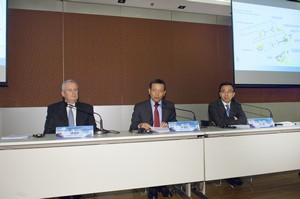
Photo By Eduard47