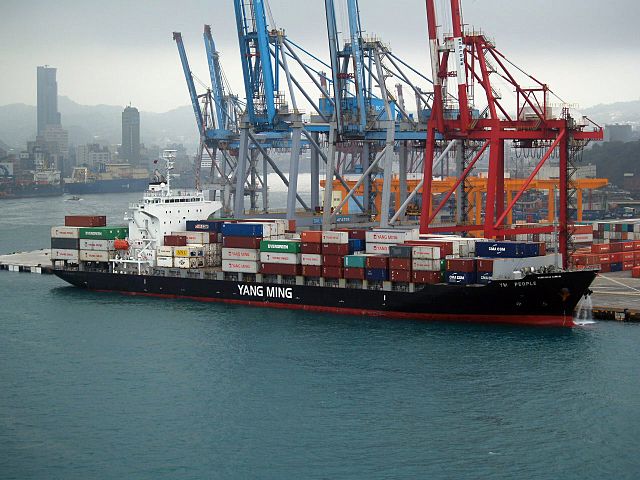
 Singapore’s growth is seen to slow down further this year, but the Vietnamese economy will continue to be robust, according to new forecasts from the International Monetary Fund (IMF).
In a report, an IMF consultative team noted that Singapore’s economic growth has cooled markedly in recent years. Real GDP grew by 2% in 2015, down from 3.3% in 2014, dragged by the continued slowdown in global trade and by capital outflows as private investment is held back by the uncertainties on the horizon.
Growth is projected to improve to about 2.5% in 2017, supported by lower energy prices boosting private consumption, rising government spending, and gradually recovering external demand, said Alex Mourmouras, leader of the mission team to Singapore.
Risks to the outlook are led by a sharper-than-expected slowdown in global growth. “This could manifest itself through a significant downshift in China and other large emerging economies as well as weak growth in key advanced economies,” he added.
The mission welcomed the authorities’ structural reform agenda, which focuses on supporting innovation-led growth, and said productivity enhancement will be vital for the city-state’s growth over the medium term.
Vietnam outlook still upbeat
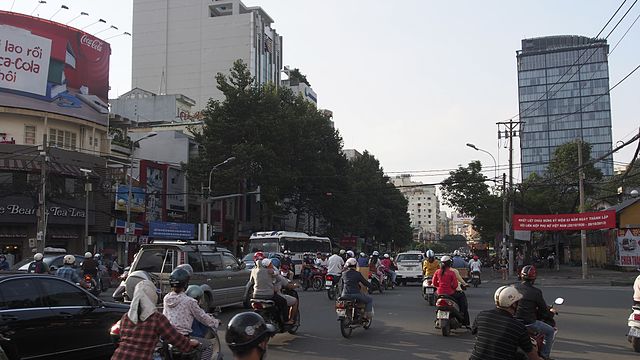
On the other hand, the outlook is positive for Vietnam in 2016 following realization of strong macroeconomic stability last year, though growth is forecast to ease to around 6% this year, according to the IMF.
The slowdown mainly reflects weaker external demand and severe drought and salination of arable land that have adversely affected agriculture, said John Nelmes, leader of an IMF consultative team that visited the country recently.
The fast-rising Southeast Asian nation saw strong growth in 2015, buoyed by low inflation levels, robust foreign direct investment, and important new trade agreements successfully negotiated.
“The achievement of macroeconomic stability provides a solid foundation for a broadly positive economic outlook, although risks and medium-term challenges exist,” said Nelmes. “The current account surplus is projected to ease in the near term with slowing external demand although foreign direct investment is expected to remain strong.”
He said that downside risks to the outlook arise from the drought, slower global growth, spillovers from global financial market volatility, as well as rapidly rising public debt.
On the upside, rapid implementation of new free trade agreements could help propel domestic structural reform.
The report stressed the need for a second generation of economic reforms that would “strengthen resilience, mitigate risks, and place Vietnam on a higher sustainable growth path that delivers robust long-term prosperity.”
Photo: Clay Gilliland from Chandler, U.S.A.