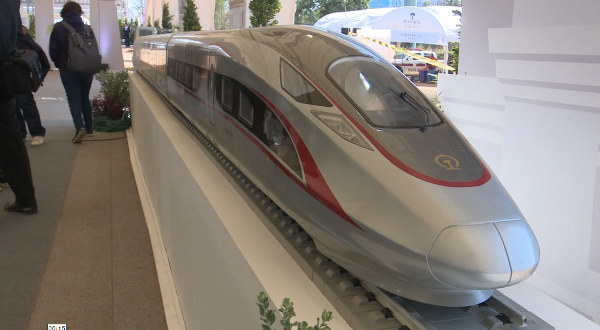
 China and Thailand inaugurated recently the first high-speed rail line in Thailand, a joint project intended to link the two nations, together with Laos, under the One Belt, One Road Initiative.
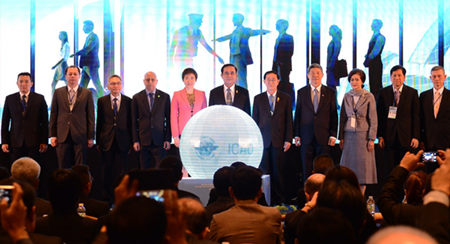
Thai Prime Minister Gen. Prayut Chan-o-cha on December 21 presided over the groundbreaking ceremony in the northeastern province of Nakhon Ratchasima, signaling the start of construction of the high-speed railway that will initially run from Bangkok to Nakhon Ratchasima.
Prayut said the Thai-Chinese high-speed railway will connect Thailand with other countries and help Thailand merge into the grand transport network under the belt and road initiative. It will also help the kingdom become a regional transport and logistics hub.
Thailand’s Transport Minister Arkhom Termpittayapaisith said the project will greatly help the development of Thailand’s northeastern region.
Arkhom said the 253-kilometer first phase of the railway linking Bangkok with Nakhon Ratchasima is set to be operational late 2022 or early 2023, and once completed, the railway will have a maximum speed of 250 kilometers per hour.
The planned second phase of the project will link Nakhon Ratchasima with Nong Khai on the border with Laos, which connects with the China-Laos railway in an artery railway linking Thailand, Laos, and China.
China is responsible for the design of the railway, supervision of construction, and manufacturing of trains and signal systems.
Before the groundbreaking, the project, which began in 2014 with formal talks, had been beset by delays, including disagreements between Thailand and China over the design and funding as well as technical assistance.
Photo courtesy of National News Bureau of Thailand