
 Thailand saw a contraction in overall economic activity in the first quarter of 2015, including in March, according to an official statement from the Bank of Thailand (BOT).
“Overall, the Thai economy in the first quarter was weak despite the fact that fiscal spending, particularly on capital expenditure, increased and the tourism sector expanded well,” said BOT.
Merchandise exports and private spending decreased in the first quarter, partly leading to a slight increase in unemployment. On the stability front, low global oil prices and weak economic conditions contributed to negative headline inflation and decelerating core inflation as well as continuous surplus in the current account.
The economy continued to slow in March 2015 year-over-year, reflecting the fragility of the ongoing economic recovery. Households stayed cautious about consumption while businesses reduced their production and investment.
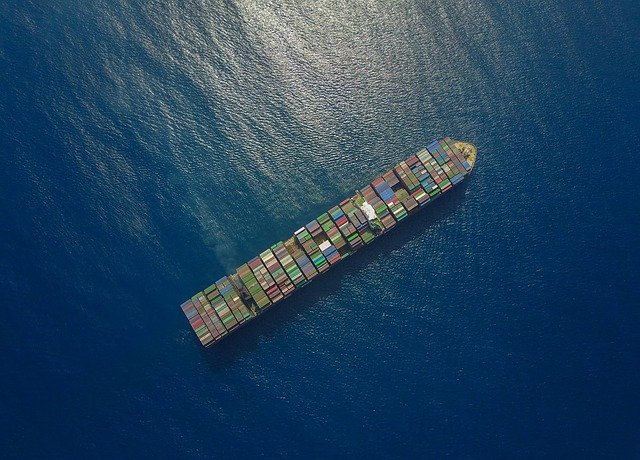
Seasonally adjusted merchandise export values for the month decreased almost across all major categories due to the increasing effects of the slowdown in Chinese and Association of Southeast Asian economies coupled with fragile economic recovery in Europe and Japan, added the central bank.
Additionally, prices of several goods such as petroleum, rubber, and chemical products stayed low in line with crude oil prices. This caused the value of merchandise exports in the first quarter this year to contract significantly compared to the same period last year.
In March, businesses decreased production and investment activities due to subdued domestic and foreign demand. Manufacturing production decreased in both domestic-oriented industries, such as food and beverages and construction materials, and export-oriented industries such as hard disk drives. Private investment also fell from outlays for machinery and equipment. Meanwhile, construction investment flattened as some businesses awaited a clearer recovery of the real estate sector.
Weak economic activities contributed to a drop in merchandise imports from the previous month, particularly imports of capital goods, raw materials (excluding crude oil), and consumer goods. March’s crude oil imports stabilized after sharp declines in the previous periods, in tandem with improving global oil prices.
Public spending and tourism revenues largely drove the economy this month. Public expenditure increased from purchases of goods and services as well as a continued increase in capital expenditure, particularly for transportation and irrigation. Meanwhile, government revenues rose from higher excise tax rates on diesel. At the same time, the tourism sector continued to expand well thanks mainly to Chinese and Malaysian tourists.
Photo: Dan Moutal