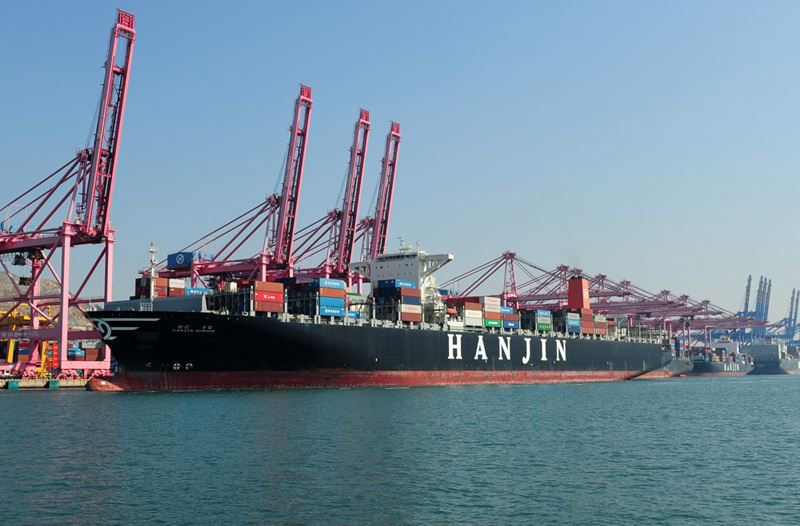
 Thailand’s export volume in July was valued at US$17.4 billion, a 4.4% contraction compared to the same period in 2015. It is also a steeper decline from the previous month’s growth of negative 0.07%.
As a result, the Ministry of Commerce is set to hold a meeting next month with trade ambassadors worldwide in hopes of boosting export growth, as the country’s exports shrank by 2% in the first seven months of 2016.
Deputy Commerce Minister Suvit Maesincee attributed the export decrease to the global economic slowdown, which also prompted a fall in demand for Thai industrial and farm goods by 0.4% and 18.6%, respectively, said a report by the National News Bureau of Thailand.
Despite the contraction, Thailand recorded a trade surplus of $13 billion by the end of July.
The ministry said it will keep an eye on global oil prices for the rest of the year as these have a direct impact on transportation costs.
Suvit will also discuss ways to minimize the impact of global economic volatility and to bolster export growth in a meeting with Thai commercial diplomats scheduled for September.
If Thailand can earn $95 billion from exports for the remainder of 2016, the deputy minister said the country’s annual export growth could reach 1.3%.
MPI logs 5% fall
Meanwhile the Office of Industrial Economics said this year’s manufacturing production could still expand by 1% to 2% despite a negative 5.1% growth in July.
Deputy Director of the Office of Industrial Economics Weerasak Suphaprasert said July’s Manufacturing Production Index (MPI) contracted 5.1% following a slowdown in many important industries such as the automotive, plastic product, and textile industries.
On the other hand, some industries expanded in price and volume during the month, including those producing instant food, processed agricultural products, and construction materials, said the deputy director.
The office predicted that MPI growth would shift to positive territory again in August, reaching the forecast 1% to 2% growth rate for 2016. This as the automotive industry is expected to grow at the normal rate again in the second half of the year since domestic purchasing power has increased.
The export sector is also starting to show improvement following signs of economic recovery in the U.S., explained Weerasak. However, he said the baht needs close monitoring, adding that if it appreciates like the other currencies in the region, the country’s competitiveness could be compromised.
Photo: Takeaway