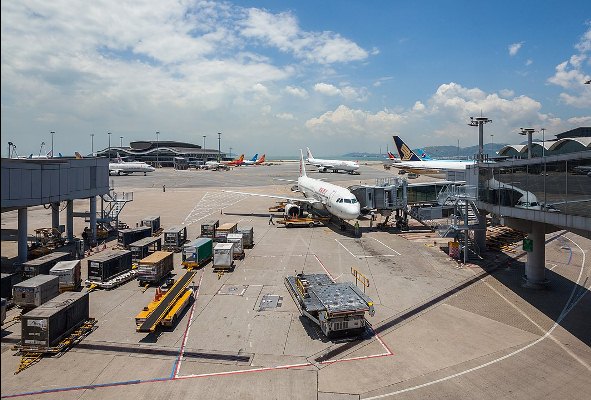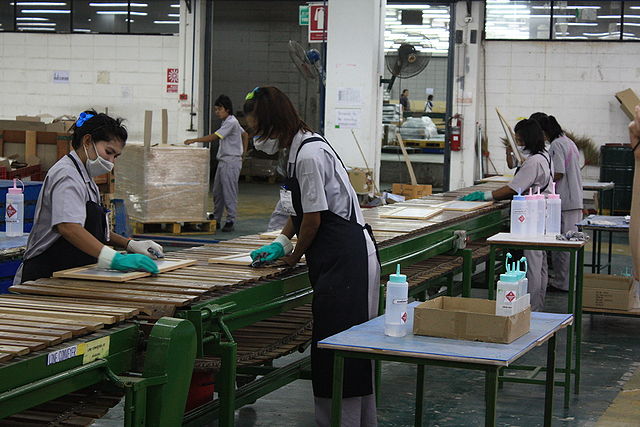

 Thai economic recovery continued to be slow and fragile in April as merchandise exports logged their fourth straight month of contraction, according to the Bank of Thailand (BOT).
In an official release, BOT said merchandise exports were sluggish in line with subdued regional trade caused by the slowdown in the Chinese economy.
“The main culprit was the ASEAN [Association of Southeast Asian Nations] market which felt more impact from the slowdown in the Chinese economy,” it said.
Additionally, slow economic recovery in major trading partners, especially the U.S., Japan, and Europe, and low prices of several goods related to crude oil prices contributed to the fourth consecutive month of export contraction for major goods.
It was the tourism sector and fiscal spending on capital expenditure that continued to support the economy, said the BOT.
Households and businesses stayed cautious about spending. Private consumption in April declined from the previous month as households’ income moderated and farm income was pressured by low agricultural prices and fewer outputs as a result of last year’s drought. On top of poor income was a continued decline in consumers’ confidence partly caused by economic uncertainties. As a result, spending on durable goods fell while spending on nondurable items was flat.
Meanwhile, increases in consumption of semi-durable goods and service, particularly those reflected by VAT collection from hotels and restaurants, mainly came from foreign tourist spending.
Private investment in April decreased slightly from last month despite lower costs of funding following the policy rate cut, as businesses felt no need to expand production capacity in light of weak domestic and foreign demand. As a result, imports of machinery and equipment declined. Construction investment was flat as some businesses awaited government’s investment plan on infrastructure and a clearer sign of recovery in the real estate sector.
Manufacturing and merchandise imports moderated from the previous month, again on weak domestic and foreign demand. Manufacturing production decreased in both export-oriented industries, such as hard disk drives and electrical appliances, and domestic-oriented industries such as apparels. Meanwhile, merchandise imports declined on the back of lower imports of capital goods and raw materials excluding crude oil. Crude oil imports edged up slightly amid improving global oil prices, while imports of consumer goods were flat.
The country’s current account registered a surplus mainly from import contraction. Capital account also registered a surplus from inflows of foreign direct investment, particularly in business consultancy, and financial institutions to manage their foreign exchange position. Overall, the balance of payments continued to record a surplus, and the ratio of international reserves to short-term external debt remained high.
Photo: Josh Jackson