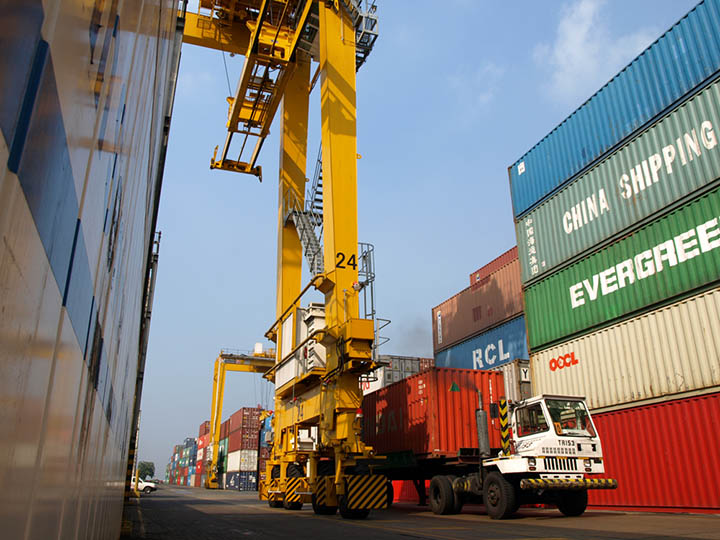
 The Bureau of Customs (BOC) has updated its list of regulated imports, which allows stakeholders to check from just one document the list of requirements and procedures needed to clear regulated goods from customs custody.
Now available on its website, BOC’s February 2019 version of its Customs Regulated Imports List (CRIL) includes the HS (harmonized system) codes of thousands of regulated items; relevant trade regulatory agencies and their addresses and contact details; the legal basis for the permit or requirement; the necessary permits; clearances, or certifications; the requirements and corresponding procedures; and the non-tariff measures (NTMs) that may affect importation of the commodity.
The CRIL also includes a list of regulated exports and their NTMs.
First released on April 6, 2015, the CRIL was updated last year and became available on the website of the Philippine National Trade Repository. BOC Assessment and Operations Coordinating Group deputy commissioner Atty. Edward James Dy Buco earlier said updating the CRIL is “in line with the bureau’s mandate to establish and promote a secure business environment for everyone.”
With CRIL, Dy Buco said stakeholders and customs frontliners have a uniform list of permits needed from a trade regulatory agency in order to clear a regulated import shipment. He said this list will address the previous problem of some frontliners of having to ask for additional permits, which may not be needed in the first place, as well as delays in processing of import shipments. Dy Buco also noted that with a single listing, debates between customs personnel and stakeholders regarding the required permits for a commodity can finally end.
Before CRIL was created, importers and traders of regulated products were in the dark as to what permits to apply for since there was no single source of information regarding this.
Pre-CRIL, too, BOC frontliners could only rely on information based on experience, or just told importers to check with various other trade regulatory government agencies instead.
After CRIL was implemented in 2015, improvements have also been recorded in the use of BOC’s selectivity system, which categorizes imports and is part of BOC’s risk management system. Before CRIL was released, data from November 2014 showed that shipments on the green lane accounted for 15% of the total, those on the yellow lane accounted for 53%, those on the red lane 24%, and those on the super green lane 8%.
In June 2015, two months after CRIL was implemented, cargoes on the green lane increased to 40%, yellow lane shipments dropped to 33%, the volume of cargoes on the red lane fell to 19%, and super green lane shipments remained at 8%. – Roumina Pablo