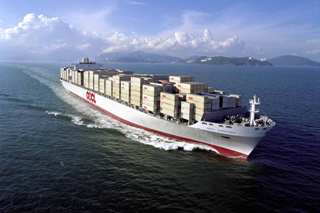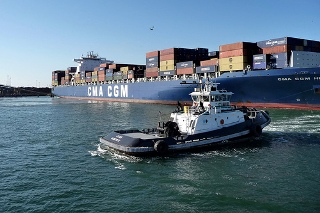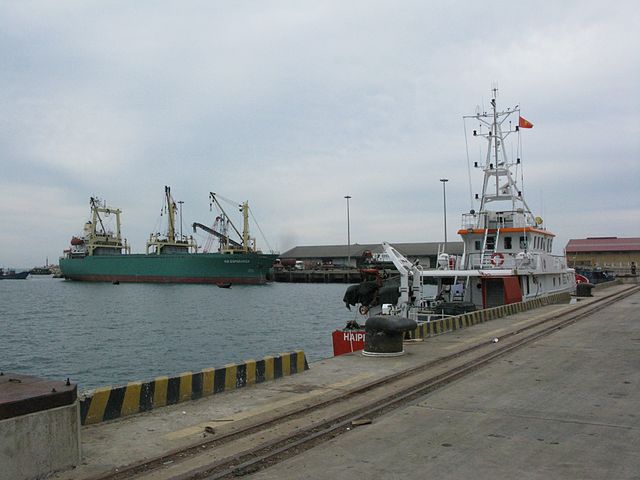

 The General Department of Vietnam Customs said it will cut cross-border customs clearance time to 10 days for exports and 12 days for imports this year, and strive to further cap the clearance period to 36 hours for exports and 41 hours for imports by 2020.
This move aims to support a new government objective contained in Resolution No. 19/2016/NQ-CP, which orders taking measures to improve the national business environment and the country’s competitiveness, according to a news report by state-run VGP.
At the same time, the agency targets reducing the rates charged for specialized customs clearance inspection for imports from the current 30% to 35% down to 15% by the end of 2016. The customs sector will likewise strive to cut the cost of administrative procedures by at least 10% each year.
Vietnam, which is part of the Association of Southeast Asian Nations (ASEAN) that counts 10 states as members, has been actively accelerating the automation of its customs processes. In October 2014, Vietnam Customs launched the Vietnam Automated Cargo Clearance System/Vietnam Customs Intelligence Information System (VNACCS/VCIS) after less than three years of setting up the platform with assistance from Japan.
It said during the launch nearly two years ago that the system successfully elevated management procedures at the agency from manual to full automation and supported all 34 Customs departments and all 171 Customs sub-departments nationwide.
The agency said recently it has completed connecting the VNACCS/VCIS with the information technology systems of ASEAN member-states to facilitate the management of goods during transit within the region.
The department added that it is also coordinating with regional peers and other partners in making the ASEAN single window mechanism fully operational so as to fast-track connectivity, customs cooperation, and the exchange information in the ASEAN Economic Community.
Photo: Phó Nháy