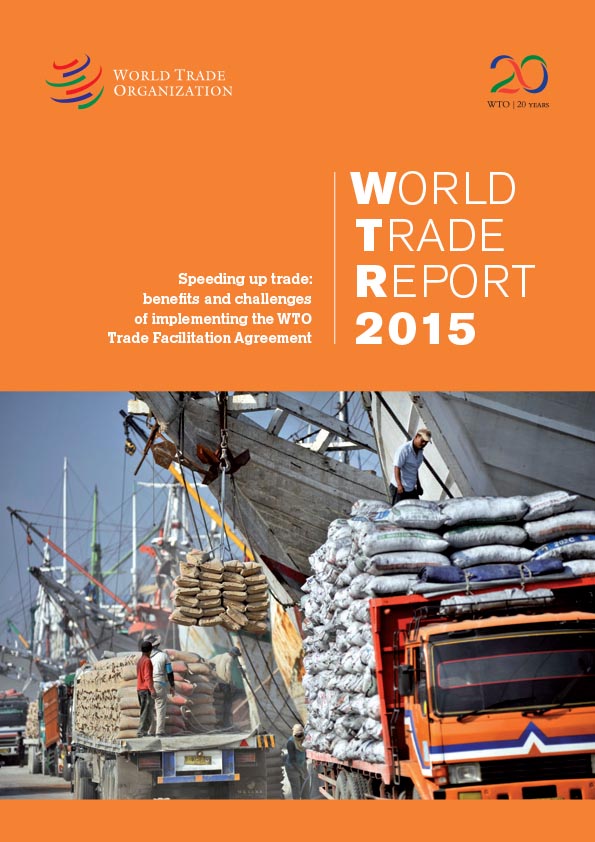

 The World Trade Organization (WTO) said the full implementation of the WTO Trade Facilitation Agreement (TFA) has the potential to increase global merchandise exports by up to $1 trillion per annum.
In its flagship World Trade Report 2015, WTO said developing countries will benefit significantly from the TFA, capturing more than half of the available gains.
At the launch of the report on October 26 in Geneva, WTO director-general Roberto Azevêdo said: “This report takes a rigorous, detailed look at the impact of the Trade Facilitation Agreement. It provides new evidence of the significant boost that the Agreement will provide by expanding world trade, reducing costs and helping developing and least-developed countries to integrate into an increasingly globalized production system. The report also highlights previously unseen benefits for developing and least-developed countries, such as increased investment and economic diversification.”
The TFA could also boost developing countries’ exports to between $170 billion and $730 billion per annum and developed economies’ exports to between $310 billion and $580 billion per annum, according to the report.
World export growth could rise by up to 2.7% and global GDP growth by 0.5% per year, it added.
Other benefits of the TFA include helping developing countries diversify their exports. If the TFA is fully implemented, developing countries could increase the number of new products exported by as much as 20% with least developed countries (LDCs) likely to see a much bigger increase of up to 35%. Developing countries are expected to enter an additional 30% more foreign markets and LDCs a further 60% more, the report revealed.
It added that full implementation of the TFA could reduce trade costs of members by an average of 14.5%. The report said trade facilitation is critical to reducing trade costs which remain high despite the steep decline in the cost of transportation, improvements in information and communication technology, and the reduction of trade barriers in many countries.
In addition, TFA implementation will help developing countries attract more foreign direct investment (FDI). Implementation of the TFA could be interpreted by foreign investors as a signal of improvement in the overall investment climate which would induce inward FDI flows even in those sectors in the domestic economy which are not highly dependent on trade, the report noted.
By simplifying trade procedures and reducing the time to move goods across borders, the TFA will increase the volume of goods flowing through customs, reduce the scope for corruption and increase the amount of revenues collected.
The TFA was agreed by WTO members at a ministerial conference in Bali in December 2013. It was the first multilateral agreement successfully negotiated at the WTO. The 2015 World Trade Report is the first major study since the agreement was reached in Bali to examine its economic implications in full.