

About 20 Philippine trade regulatory agencies are expected to start interconnecting with the Association of Southeast Asian Nations (ASEAN) Single Window (ASW) by the first half of 2018, according to the Department of Finance (DOF).
Finance Secretary Carlos Dominguez III, citing a report by Finance Undersecretary Gil Beltran, said the agencies will be able to link up with ASW through TradeNet, the government’s trade facilitation portal that will serve as the country’s National Single Window (NSW), a requisite to connect to ASW.
Beltran said the ASW gateway is a regional initiative which aims to speed up cargo clearances and promote economic integration by enabling the electronic exchange of border documents among the 10 ASEAN member economies.
TradeNet, which will allow traders of commodities to apply for their import and export permits online, has been installed and is being tested this month. Earlier, DOF said seven types of commonly traded commodities will be the first batch covered when TradeNet starts full operations by the end of the year. These are rice, sugar, used motor vehicles, chemicals (toluene), frozen meat, medicines, and cured tobacco.
READ: TradeNet is online platform for PH National Single Window
Earlier, DOF said 16 agencies involved in processing the trade permits of the seven commodities were scheduled to connect to TradeNet before the rollout.
These include the Bureau of Animal Industry, National Tobacco Administration, Fair Trade and Enforcement Bureau, National Food Authority, Bureau of Plant Industry, Food and Drug Administration, National Meat Inspection Service, Bureau of Internal Revenue, and Bureau of Customs.
READ: Finance: TradeNet to process 7 kinds of goods initially
Other goods will be progressively placed on board TradeNet as other trade regulatory agencies get connected to the system. The online platform will eventually connect 66 agencies and 10 economic zones.
Beltran said the country’s decision to adopt TradeNet as the vehicle for the country’s participation in the ASW will facilitate trade, heighten transparency in customs procedures, and improve revenue collection.
Five ASEAN countries—Indonesia, Malaysia, Thailand, Singapore, and Vietnam—are already utilizing the ASW. Four of them, except for Thailand, will start exchanging Form D, the preferential certificate of origin under the ASEAN Trade in Goods Agreement, by January next year.
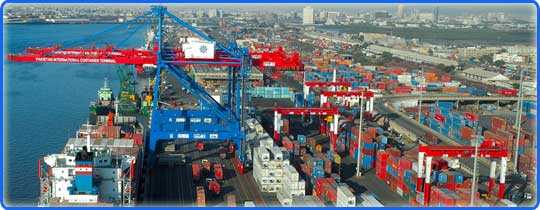
Image courtesy of renjith krishnan at FreeDigitalPhotos.net