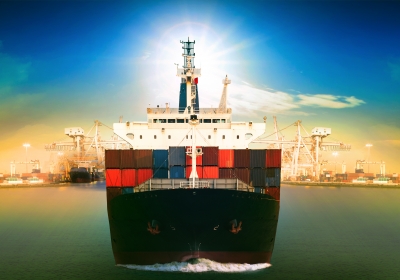


DEMAND for chemical tankers is on the rise, partly influenced by increasing consumption as a result of a growing world population.
Per Sylvester Jensen, CEO of Eitzen Chemical, said world GDP growth and world industrial production are among the main drivers of demand for chemicals.
“Although there is some uncertainty with regards to the macroeconomic indicators following the European sovereign debt crisis, world GDP figures are anticipated to grow, according to the IMF, by 3.5% in 2013 and 4.1% in 2014 and historically the demand for chemical tanker transportation has been growing at a factor of approximately 1.5%,” Jensen said at a recent presentation entitled “Chemical Tanker Shipowner Perspective” at the TSM Annual Conference at the Makati Shangri-La Hotel. The conference aimed to provide quality manning service and improve performance at TSM, a maritime services provider.
Industry sources estimate that demand for seaborne chemical transportation will increase by 4-5% in 2013 and demand for tonnage expressed in tonne-mile will increase even more.
The expected fleet growth for chemical tankers of between 3,000 and 54,000 dwt is seen as limited. As a consequence, the remaining oversupply is expected to be absorbed, giving rise to an increase in global fleet utilization and a significant recovery in freight rates.
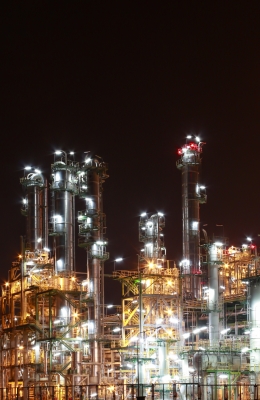
Traditionally, the key areas for production and consumption of chemicals have been industrial zones in North America, Northwest Europe and Japan. Going forward, a rapid build-up of new chemical plants, especially in the Middle East, Asia and South America is expected.
“The Middle East and Asia are expected to become more important regions for the chemical tanker industry. China has also emerged as a significant importer and exporter of chemicals, and this is likely to continue,” Jensen said.
The long-term growth rate for global chemicals and plastics demand has been estimated at 5%.
Norway-headquartered Eitzen Chemical operates vessels ranging from 3,500 to 48,000 dwt, with an average age of less than eight years, designed for the transport of IMO II classified chemical cargoes. As of December 31, 2012, its fleet consisted of 50 vessels, of which 46 were owned or on finance lease and four were on operating lease. The vessels are operated through offices in Denmark, Spain, the United States and Singapore.
Image courtesy of supakitmod /FreeDigitalPhotos.net