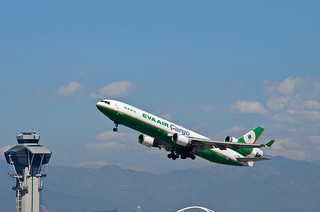

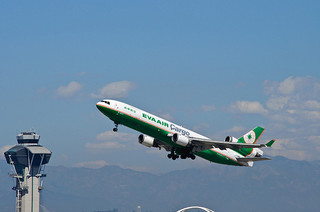
 Weak demand persisted for the Asia-Pacific air cargo industry in June, preliminary traffic figures from the Association of Asia Pacific Airlines (AAPA) showed.
International air cargo demand, expressed in freight tonne kilometers, was 2.2 percent lower in June compared to the same month last year, reflecting continued weakness in key export markets, AAPA said in a media release.
Offered freight capacity increased marginally, by 0.3 percent, leading to a 1.7 percentage point fall in the average international air cargo load factor to 66.2 percent.
For the first six months of 2013, airfreight traffic statistics were also below those for the first half of 2012.
“Air cargo markets remain depressed, with Asian airlines reporting a 2.4 percent decline in freight traffic for the first six months of the year, reflecting persistent weakness in global trade conditions,” said Andrew Herdman, AAPA director general.
“Prospects for the second half of the year remain challenging, given the underlying uncertainty over the global economic outlook,” Herdman added, “but Asian airlines are still confident about future growth prospects and are continuing to invest in further route development and customer service initiatives.”
Photo: InSapphoWeTrust