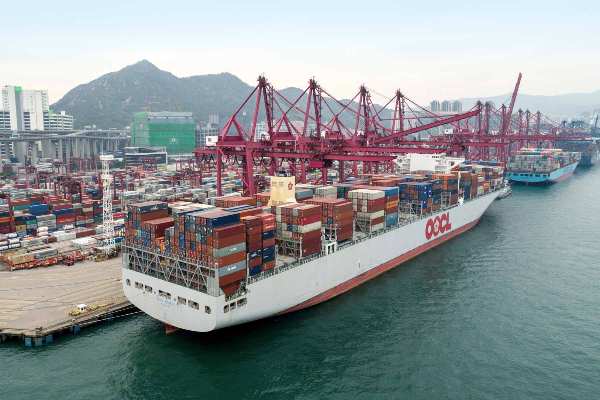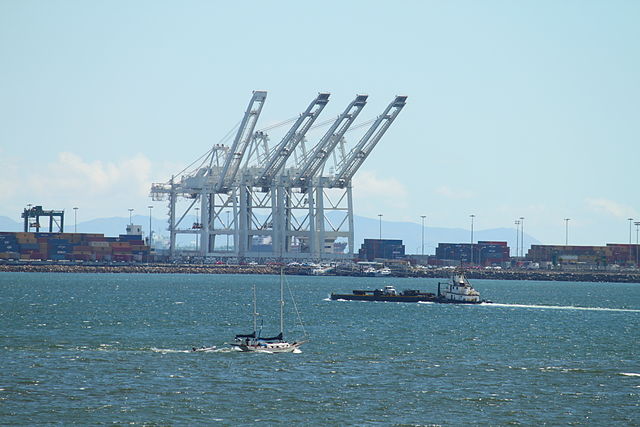

 Now that port operations on the U.S. West Coast are normalizing, the modal shift to air transport appears to be sputtering out, according to a new report by Drewry.
The labor dispute at West Coast ports that started mid-2014 and lasted up to early this year forced a number of shippers to resort to much more expensive airfreight as shipments piled up and ocean carriers were caught in logjams.
Ahead of the Christmas season last year, U.S. import airfreight prices spiked as well, as importers got desperate to have their stocks ready for the holidays.
But latest data shows Asia to U.S. rates regressed at the end of the shopping season and have continued to slide as America’s port operations have sharpened up.
Statements from the ports indicate their operations are now close to being back to full speed following the ratification of a new five-year labor agreement—and this is impacting shippers’ delivery choices, said Drewry.
Latest numbers indicate that the far cheaper ocean freight sector is growing at a much faster rate than air cargo with demand on the rise for containerized trade.
Further, “more higher-value goods, the bread and butter for air traffic, are increasingly being trusted to ocean carriers,” Drewry added.
“Despite the faster growth rate, air cargo has barely increased its tiny fraction of the U.S. import containerizable trade, now holding some 2.8% share, which is up from 2.4% at the start of 2014.”
Normally, the battle between ocean and air cargo is less on containerized goods and more on which side is getting the bigger share of the high-value items—mainly merchandise from the hi-tech, fashion, and automotive industries which requires fast delivery.
Drewry points out that air cargo may get a temporary upper hand in the fight for a small number of high-value goods as shippers try to beat deadlines for the summer.
“Fashionable clothing, here represented by women’s blouses, has been switching to air in recent months in readiness for the summer season. The need to get more mundane everyday clothing such as men’s vests and T-shirts is less pressing, but even here there has been a small move towards air cargo,” it stated.
Eventually, though, it forecasts that “as port operations improve on the US West Coast the reversal in the long-term shift towards ocean will resume.”
Photo: Regular Daddy