 Concerned Philippine government agencies will soon be crafting the implementing rules and regulations (IRR) of the newly signed Foreign Ships Co-loading Act.
Bureau of Customs (BOC) deputy commissioner Atty. Agaton Teodoro Uvero for Assessment and Operations Coordinating Group told PortCalls in a text message the agencies “are just starting to organize.”
Under Section 10 of Republic Act No. 10668 or “An Act Allowing Foreign Vessels to Transport and Co-load Foreign Cargoes for Domestic Transshipment and for Other Purposes,” the BOC, Department of Finance, Department of Trade and Industry, Bureau of Immigration, and port authorities must promulgate the IRR within 60 days of approval of the new law.
President Benigno Aquino III signed R.A. 10668 on July 21.
“Initially, we will work with MARINA (Maritime Industry Authority) and PPA (Philippine Ports Authority),” Uvero said, adding there is no definite date yet for the meetings.
Since R.A. 10668 covers imports and exports cleared by BOC, Uvero said the customs agency will lead the team in crafting the IRR. Asked if the group can complete the rules within the 60-day period provided under the law, Uvero said they will try.
R.A. 10668 allows foreign shipping lines to dock at multiple Philippine ports and co-load import and export cargos cleared by the BOC. The law gives the Customs commissioner the authority to authorize the conveyance of foreign cargo brought from abroad by a foreign vessel; allow a foreign vessel to take in cargo intended for export at any Philippine port and convey the same upon such foreign vessel to a foreign port; and authorize the transhipment of such foreign cargo intended for import or export through another Philippine port by another foreign vessel to the cargo’s port of final destination.
The Customs commissioner can also fine or penalize any erring foreign ship operator under applicable provisions of the Tariff and Customs Code of the Philippines. The new law also effectively repeals Section 1009 of the TCCP.
The new law is seen to reduce shipping costs and help enhance competitiveness of Philippine exports while effectively retaining the country’s cabotage policy. – Roumina Pablo
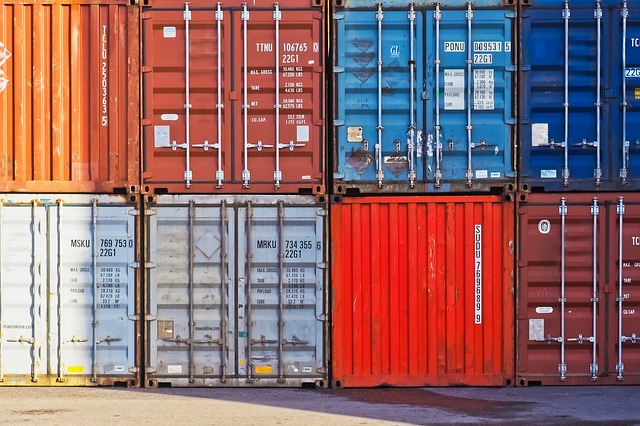
Image courtesy of punsayaporn at FreeDigitalPhotos.net