

Philippine transport stakeholders are calling for the crafting of an integrated long-term national master plan for the supply chain and logistics industry and full implementation of the ASEAN Framework Agreement on Multimodal Transport (AFAMT) to help propel the country to become a competitive logistics hub in Southeast Asia by 2030.
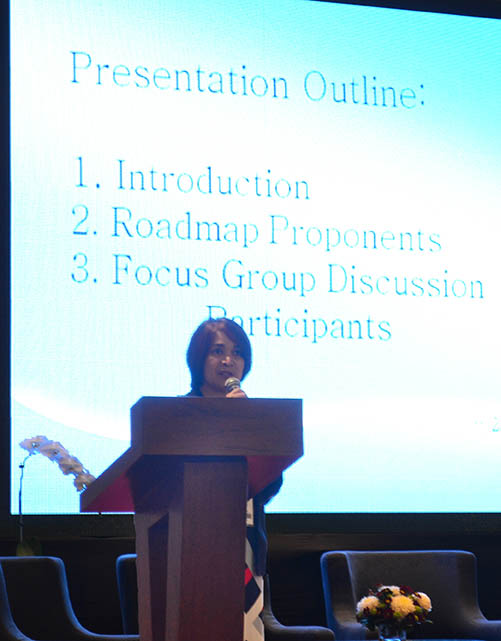
The proposals are part of measures outlined in the first Philippine Multimodal Transportation and Logistics Industry Roadmap presented recently by Philippine International Seafreight Forwarders Association, Inc. (PISFA) president Doris Torres at the Asia Logistics Forum 2015. The roadmap is now in its final stages of development.
In line with the long-term master plan for the industry, the roadmap recommends the creation of a government body on Supply Chain and Logistics to coordinate all initiatives related to the supply chain and to follow through on implementation and compliance of policies.
It also proposed the full adoption of the AFAMT, which calls for the creation of a national accreditation body for multimodal transport operators. The agreement was signed by the Department of Transportation and Communications in 2005 yet up to now nothing has been done to drive it forward.
The roadmap pushes for continuous development of transport infrastructure, particularly roads and ports outside Manila such as Batangas and Subic, to cater to the projected growth of the Philippine economy.
In addition, it identified processes in the transport chain that need streamlining and harmonization such as those related to the importer and customs broker accreditation processes of the Bureau of Internal Revenue and Bureau of Customs and truck bans imposed by different local government units.
Full automation of customs processes was also proposed, including full implementation of the National Single Window. As of this writing, only 30% of government agencies are plugged into the NSW.
The roadmap is largely private sector-driven, spearheaded by PISFA and United Portusers Confederation. PortCalls acts as the roadmap secretariat. The National Competitiveness Council, under the Department of Trade and Industry, last year had asked PISFA to craft such a roadmap. – Roumina Pablo