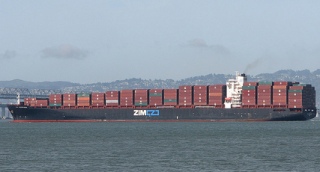
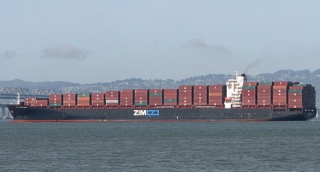
 Israel-based Zim Integrated Shipping Services has suffered a $66 million loss in the third quarter of the year after a profit of $37 million last year as falling freight rates and rising fuel costs continue to hammer the container shipping sector.
Container lines’ revenues have nosedived this year amid steep transportation expenses, declining rates, and overcapacity on the Far East-Europe lanes.
Zim’s earnings dipped to $973 million in the third quarter compared to $1 billion in the second quarter. Average freight rates have dropped by 12 percent to $1,310 per TEU. However, traffic went up, the company hauling 646,000 20-foot equivalent units for the same period from 596,000 TEUs in the second quarter and the same period in 2010, an increase of 8 percent.
Reuters reported that Zim’s rating has been reduced by Standard & Poor’s Maalot to “BB-” from “BBB-” on forecasts of a significant downturn in the line’s operating performance.
“The negative ratings outlook reflects our expectation that the company will continue to report a negative cash flow from ongoing operations in the coming quarters and erode its cash reserves,” the ratings agency said.
Photo by darinmarshall