 Philippine merchandise exports recorded a single-digit drop for the 17th consecutive month in August 2016 while imports were up double-digit.
Data from the Philippine Statistics Authority (PSA) showed that the country’s total imported goods for the month of August 2016 amounted to US$6.927 billion, an increase of 12.2% from $6.176 billion recorded during the same period a year ago.
The increase was due to the positive growth rates of seven out of the top ten major imported commodities led by transport equipment and followed by miscellaneous manufactured articles, plastics in primary and non-primary forms, organic and inorganic chemicals, other food and live animals, industrial machinery and equipment, and telecommunication equipment and electrical machinery.
Raw materials and intermediate goods, which accounted for 38% of the total and valued at $2.651 billion, decreased 7.8% over last year’s figure of $2.874 billion. Payments for inward shipments of capital goods accounted for 33.2% and increased by 29.9% while consumer goods recorded a 19.1% share and growth of 59%.
China remained the country’s biggest source of imports at 18.7% followed by Japan contributing 11.7% and United States of America with 9.2% share.
Exports continue to slip
Meanwhile, the country’s export sales for August amounted to $4.904 billion, a 4.4% decrease from $5.128 billion recorded value in August 2015. The decrease was attributed to the drop in seven major commodities out of the top ten export commodities for the month. These include machinery and transport equipment; metal components; chemicals; articles of apparel and clothing accessories; other manufactures; woodcrafts and furniture; and coconut oil.
Outward shipments of manufactured goods accounted for 86.4% of the total and valued at $4.237 billion, down 4.1% from $4.417 billion recorded in August 2015.
Exports from total agro-based products decreased 5.2% while mineral products, on the other hand, increased 10.1%. Both registering negative performances were special transactions and petroleum products dropping 16.7% and 68.2%, respectively. Moreover, sales from forest products flunked 19.5%.
Japan remained the country’s top export destination with a 20.4% share. This is followed by USA accounting for 15.1% and Hong Kong with 13%.
Manufacturing in positive territory
Meanwhile, the country’s manufacturing sector posted a positive performance in August. Value of Production Index rose to 8.4% for the period in review, a reversal from the negative growth of 5.8% during the same month of last year, according to PSA’s Monthly Integrated Survey of Selected Industries. The increase was brought about by the expansion in VaPI for 13 major sectors.
The Volume of Production Index likewise gained as it posted a significant increase of 13.5% in August 2016.
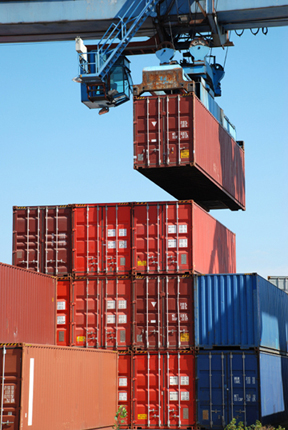
Image courtesy of photoraidz at FreeDigitalPhotos.net