Implementing a total of US$23 billion worth of priority infrastructure projects that are designed to strengthen connectivity between Brunei, Indonesia, Malaysia, and the Philippines is one of the goals of the sub-region’s eight-year masterplan.
This list of priority projects will be included in the Brunei Darussalam, Indonesia, Malaysia, the Philippines-East ASEAN Growth Area (BIMP-EAGA) Vision (BEV) 2025, which outlines the thrusts, goals, and programs of the sub-region. BEV 2025 succeeds the Implementation Blueprint 2012-2016.
The new list of priority projects is “unprecedented and unheard of in the history of BIMP-EAGA as compared to US$1 billion invested in the Implementation Blueprint in 2016,” said Trade Assistant Secretary Arturo Boncato Jr., who is also Philippine senior official to the BIMP-EAGA. Boncato spoke February 1 during the opening ceremony of the 2017 BIMP-EAGA Strategic Planning Meeting.
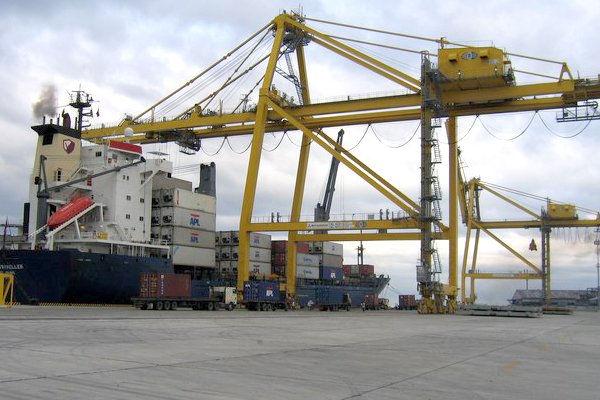
The projects include the upgrading of seaports and airports, and the construction of roads and bridges and other infrastructure projects that support the development of sea and air routes within BIMP-EAGA.
EAGA official and Mindanao Development Authority (MinDA) assistant secretary Romeo Montenegro explained that the guiding framework for the BEV 2025 emphasizes strong ownership of local stakeholders during its preparation and implementation, with local governments and the private sector as enablers.
“Our goals right now as far as the BEV 2025 is concerned are to facilitate integration, strengthen linkage, and encourage coherence of the various elements within the plan as we move towards identifying specific activities that help narrow development gaps within EAGA,” he added.
During the planning meeting, the transportation cluster announced plans to develop and upgrade seaports in Mindanao, particularly within the Autonomous Region in Muslim Mindanao and in Palawan to support connectivity programs and projects.
The initial list of these seaports includes the Bongao Port in Tawi-Tawi; the Polloc Port in Maguindanao; the ports in Puerto Princesa and Buliluyan in Palawan; and the Zamboanga, Davao, and General Santos ports in Mindanao.
The BIMP-EAGA tourism cluster, meanwhile, is eyeing complementation efforts with the transportation cluster to strengthen the tourism industry within the sub-region.
The strategic meeting was held to assess strategies and set directives to enhance cross-border trading and socioeconomic relations within the sub-region.
In November 2016, the Philippines assumed the chairmanship of BIMP-EAGA and took leadership of all EAGA-related activities, meetings, and other functions.
The BIMP-EAGA was organized in 1994 as a sub-regional cooperation primarily intended to spur development in the lagging sub-economies of the member countries by enhancing trade, tourism, and investments. Mindanao and Palawan are the two focus areas of the Philippines in the sub-regional grouping.
Image courtesy of drpnncpptak at FreeDigitalPhotos.net