 The Transpacific Stabilization Agreement (TSA) has announced that it is ceasing its operations.
“After almost 30 years of acting as a strong voice for the ocean carrier industry in the U.S. transpacific trade, the Transpacific Stabilization Agreement (TSA) will officially close its doors on February 8, 2018,” said TSA spokesperson Niels Erich in an emailed statement.
Established in 1989, TSA was among the first carrier discussion agreements formed after passage of the 1984 Shipping Act in the U.S. In addition to TSA’s commercial initiatives, the agreement has provided a forum for the lines to discuss trade conditions, market developments, and business and economic trends.
“TSA has for many years served a valuable function to the carriers and other industry stakeholders,” said executive administrator Brian Conrad.
“Liner shipping is a privately-financed infrastructure for Asia-U.S. trade. TSA has been a key element in helping to maintain and grow a wide range of carriers operating in the trade over the long-term, offering shippers the broadest, most reliable choice of service options possible. It has also been a strong advocate for carrier interests with both global regulators and the shipping public.”
Regarding TSA’s decision to close its doors, Conrad added that “the commercial and operational environment in the transpacific trade and, more broadly, in ocean transportation worldwide, has experienced significant changes in the past few years that are likely to continue through 2018 and beyond. During these challenging times in shipping, it became apparent that the TSA’s original mission was no longer viable, but I believe that TSA has performed an important role over the years in supporting the development of U.S. international trade.”
Former member box lines of the TSA were APL, China Shipping Container Lines, CMA-CGM, Cosco Container Lines, Evergreen Line, Hanjin Shipping, Hapag-Lloyd, Hyundai Merchant Marine, K Line, Maersk Line, Mediterranean Shipping, NYK Line, Orient Overseas Container Line, Yangming Marine, and Zim Integrated Shipping.
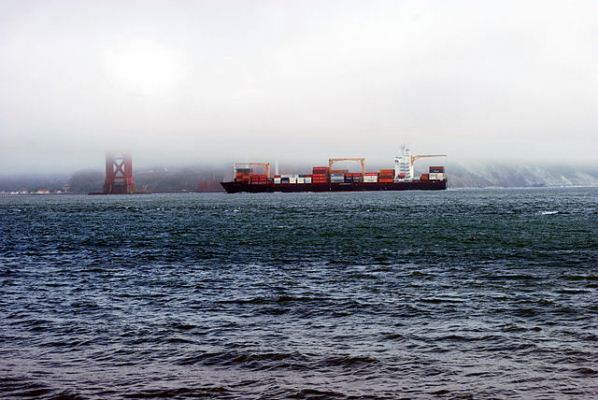
Photo: BenBench