 Lackluster global growth, weak commodity prices, high capital expenditure (capex) commitments, and a liner industry struggling with overcapacity are testing the resilience of Asian port operators, Moody’s Investors Service says in a just-released report.
“While the rated port operators in Asia have scope for cost cuts and are generally supported by their dominant market position, their resilience is being tested by these challenging operating conditions,” said Ray Tay, a Moody’s vice president and senior analyst.
The port operators in the region are grappling with slowing or negative growth in cargo volumes due to China’s slowdown, sluggish growth in Europe, and persistently weak commodity prices, said the report entitled “Rated Port Operators-Asia: Challenges on the Rise.”
“The port operators also have substantial capex commitments as they seek to cater to ever-larger ships entering service, while overcapacity in the liner industry is making it harder for ports to pass on these capex costs to their customers,” added Tay.
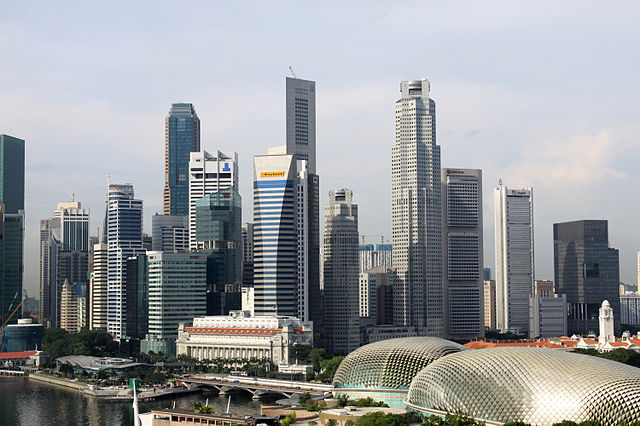
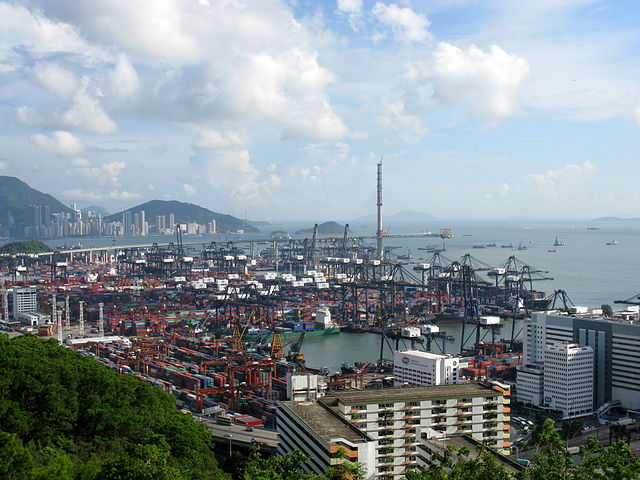
Across Asia, the bond credit rating firm noted, transshipment ports where containers are reloaded onto new vessels—such as PSA Corporation Limited and Hutchison Port Holdings Trust—are more affected than gateway ports where containers reach their final destination—such as Shanghai International Port (Group) Co., Ltd and Adani Ports and Special Economic Zone Limited.
This is because transshipment ports are more subject to competitive pressure, whereas gateway ports benefit from innate demand as they serve regions with major populations and industrial centers, said the report.
Overcapacity in the liner industry—the key customers of port operators–is also pressuring the operators’ margins. Moody’s forecast global container ship capacity to increase by 4.5% to 5.5% in 2016, outpacing the expected demand growth of 1.5% to 2.5%. Consequently, shipping lines are facing significant pressure on freight rates, which in turn will make it increasingly difficult for port operators to negotiate higher container handling chargers.
Nevertheless, Moody’s expects port operators it rates across Asia to have sufficient headroom to weather these trends for the next one to two years.
“In particular, most container port operators have scope to take corrective measures such as debt, dividend and capex reductions, while they also benefit from dominant market positions that underpin continued cash flow generation,” it added.
Photo: Baycrest