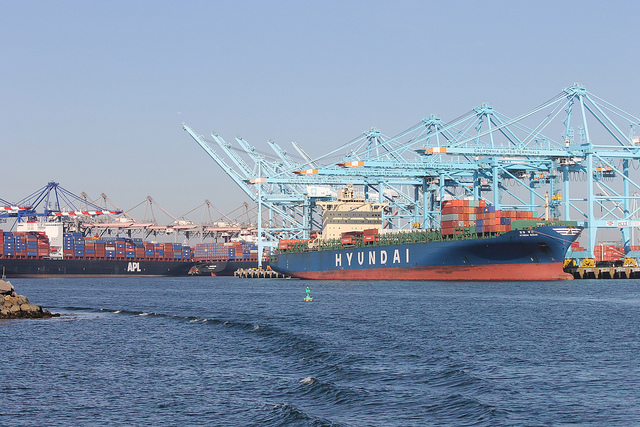
THE Philippine Chamber of Arrastre and Stevedoring Operators (PCASO) recently forged an agreement with the Department of Science and Technology (DOST) involving the use of locally-manufactured ship-to-shore cranes.
Under the pact, DOST will provide free engineering design of cranes while PCASO members will install the equipment at ports they operate.
The agreement is aimed at stimulating private-public partnership (PPP) in port operations. PPP is a strategy of the Aquino administration to finance government projects like infrastructure and basic services through the assistance of the private sector.
“The proposal is beneficial to us as we will get a design really suited to our individual operations,” PCASO chair Benjamin Akol said at the sidelines of last week’s induction of new chamber officers.
“The project will also make our members more cost-effective, efficient and environment-friendly,” Akol said, adding it will fuel activity in the country’s steel industry and provide more employment.
Compared to second-hand cranes with a price tag of least $2 million each, a brand new locally-designed and fabricated crane will cost less than P100 million. The amount could go down some more as the operator that will use the cranes will likely get incentives from PPA.
A locally-manufactured crane — designed by Science and Technology Secretary Mario Montejo — is currently in use at the Cagayan de Oro port run by Oro Port.
Oro Port is looking at installing a similar type of crane for its Cebu operation to cater to its client Magsaysay Shipping Corp.